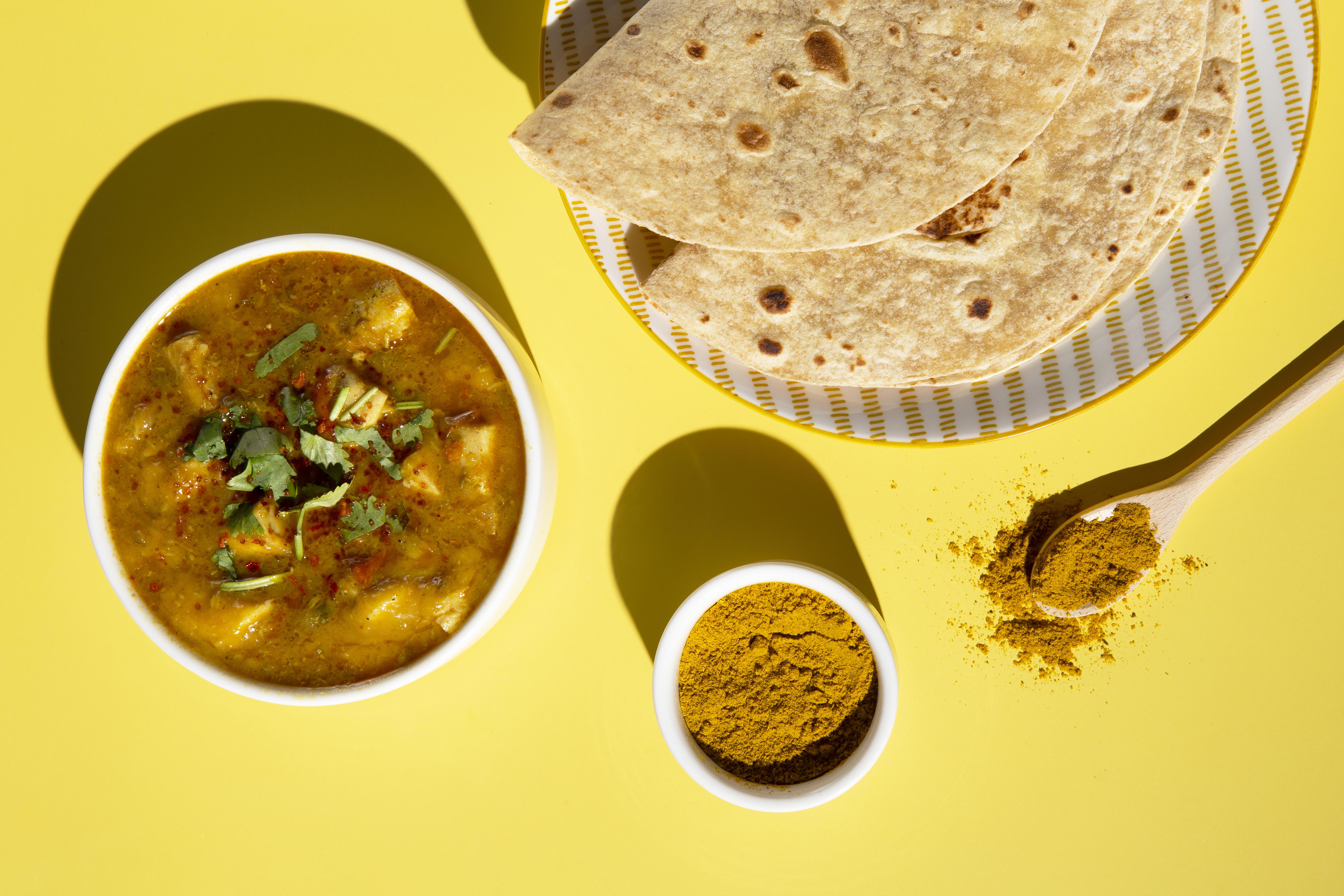
The roti made its way to South Africa many years ago thanks to Indian migrants. It soon became an integral part of the food culture here especially in Durban where it found a warm welcome among local communities. Over time, Cape Malay and Cape coloured communities embraced it and made it their own. Today, you’ll find it in homes, on takeaway menus, and on plates at family gatherings. But what exactly makes a roti and a salomie different?
What Is a Roti?
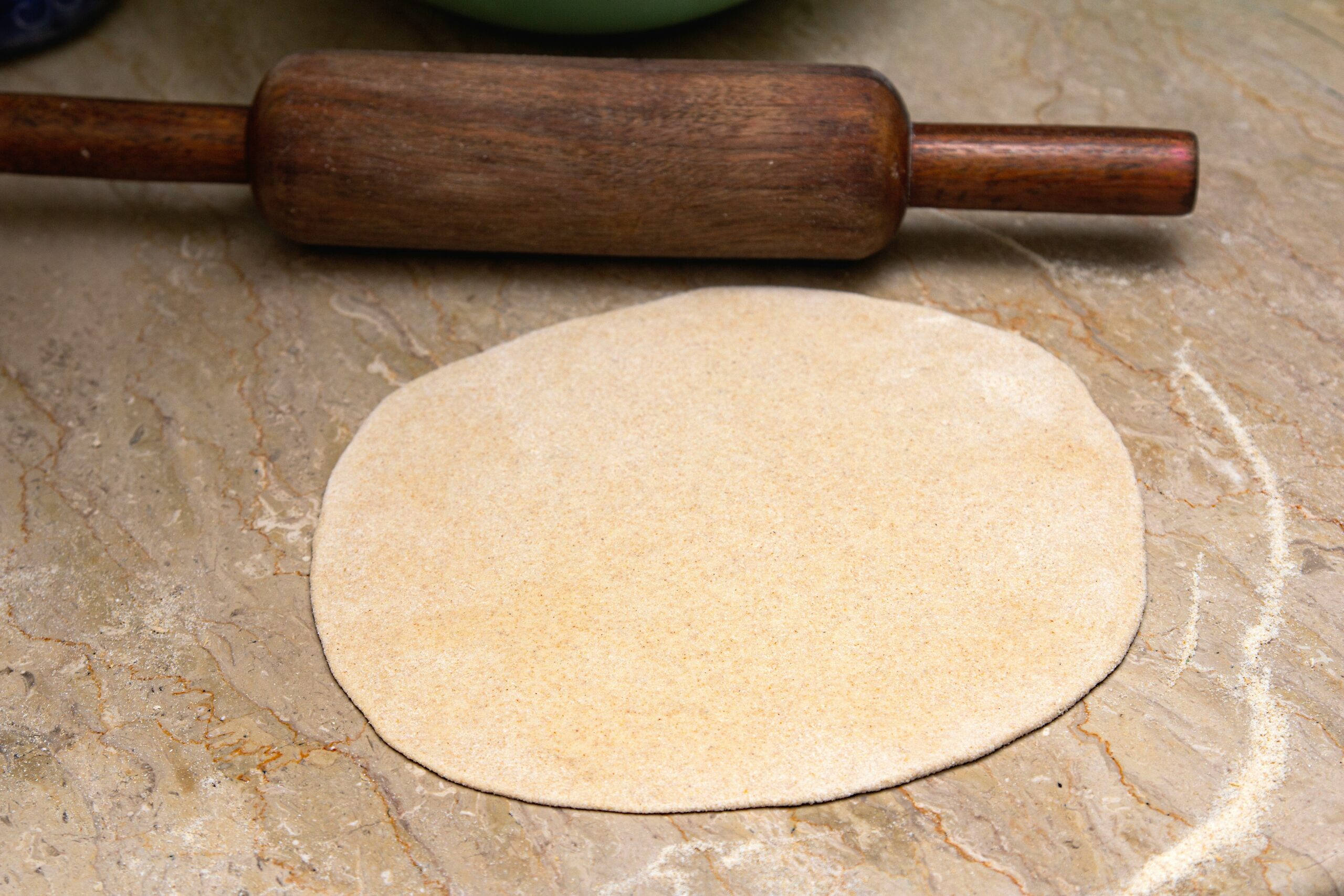
Roti is a simple, round flatbread made from flour and water. The dough is rolled out and cooked on a hot surface until golden. The word comes from the Sanskrit “roṭikā,” which means “bread.” There are two common types: the flat roti and a lighter, flakier version, known as Malay roti.
What Is a Salomie?

Take a roti, fill it with a hearty curry stew, and you have a salomie. Any stew works, from mince and chicken to beans or mutton. Some people enjoy adding a tomato and onion relish for extra flavour. A salomie usually doesn’t need a knife and fork. It’s handheld comfort food.
So, What’s the Difference Between A Roti and Salomie?
Technically, roti is the bread and salomie is the wrap. But in Cape Town, it’s not that straightforward. Here, “roti” is often used for both the bread and the curry-filled version. Some locals call the plain bread “roti leaves” to make the distinction. Takeaways tend to stick to “salomie” for the filled wrap.
In the end, we think it doesn’t matter what you call it – as long as it’s tasty, that’s what counts.
React To This Post

Author: Editorial Team
About The Author
