
Heritage Day comes around every September and the whole country turns into one giant braai. But traditional South African food runs far deeper than a chop on a grid. It’s a patchwork built by the Cape Malay community, indigenous cultures, Indian settlers, Northern Cape farmers and the Boerekos tradition, each contributing recipes that travelled, mixed and got claimed by more than one group along the road. Many of these heritage day food favourites overlap across communities, borrowed, adapted and renamed as they moved from kitchen to kitchen. Grab a plate, here’s what’s cooking across the country.
Traditional South African Food for Heritage Day
Cape Town and Cape Malay
Cape Town’s food story owes an enormous debt to the Cape Malay community, descendants of enslaved and exiled people brought from Southeast Asia and parts of Africa by the Dutch East India Company. Their cooking blended local ingredients with spices, techniques and traditions from Indonesia, Malaysia and India, and the result is some of the most distinctive traditional South African food.
Atchar
Atchar is a spiced pickle, usually made from unripe mangoes, though chillies, lemons and vegetables get the same treatment. The fruit ferments in salt and oil along with mustard seeds, turmeric, chilli and garlic, giving it a sharp, tangy kick.
Bobotie
Spiced minced meat baked with a golden egg custard topping, studded with raisins and a hint of curry powder, then served over yellow rice with chutney. The sweet-savoury balance makes it one of the most recognisable dishes to come out of the Cape kitchen.
Boeber
A sweet, milky vermicelli pudding flavoured with cardamom, cinnamon and sago, traditionally cooked during Ramadan and served warm in a bowl with a sprinkle of extra cinnamon on top.
Bokkoms
Whole harder fish, salted and air-dried on the West Coast until firm and intensely savoury. Eaten as a snack, peeled off the bone, they’re an acquired taste that locals swear by.
Bredies
Slow-cooked stews built around one hero vegetable and mutton or lamb. You get waterblommetjiebredie, which uses indigenous Cape pondweed flowers for a slightly tart flavour, while green bean, tomato and cabbage versions lean sweeter and softer, each simmered low and slow until the meat falls apart.
Cape Malay Breyani
Layers of spiced rice, mutton or chicken, potato and boiled egg, cooked together so the flavours seep through every grain. Unlike a curry served over rice, breyani cooks the rice in the spice itself, giving it a deeper, more integrated taste.
Chicken Akni
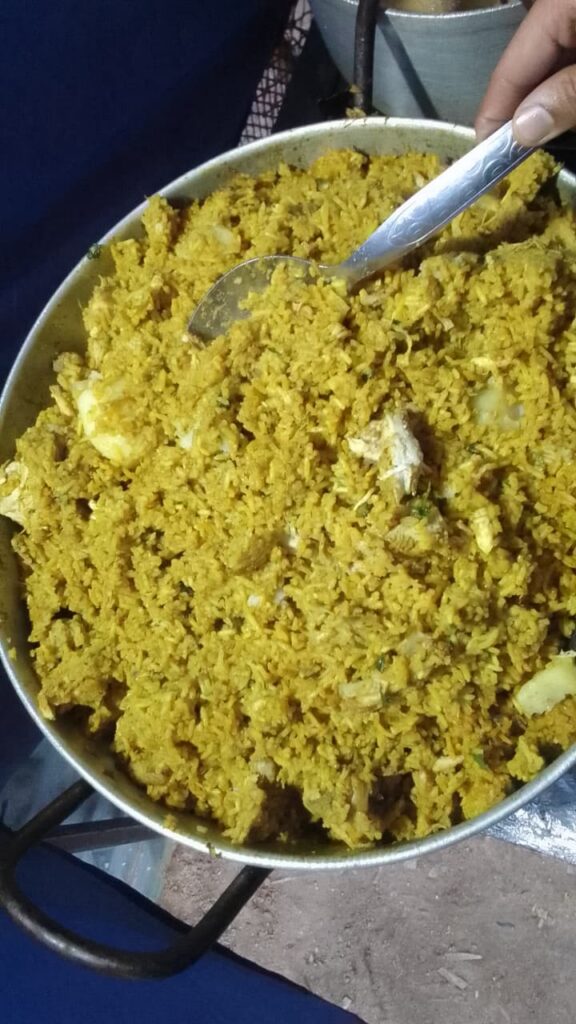
A fragrant one-pot rice dish similar to breyani but lighter on spice and layering, made with chicken, potato, whole spices and rice cooked together until tender.
Denningvleis
A sweet and sour lamb or mutton stew flavoured with tamarind, bay leaves and a touch of sugar, dating back to Cape Dutch kitchens and prized for its tangy depth.
Dhal Curry
A lentil curry cooked with turmeric, cumin and green chillies until thick and creamy, usually served with roti or rice as a comforting side or a meal on its own.
Dhaltjies
Deep-fried fritters made from split pea or chickpea flour batter mixed with chopped coriander, chillies and spices, dropped into hot oil until crisp outside and soft within. They make a popular snack alongside chutney or a squeeze of lemon.
Soutvis
Salted and sun-dried snoek fish, chewy and packed with flavour, often flaked over bread or eaten on its own as a snack. It is popular as a hangover food.
Gatsby
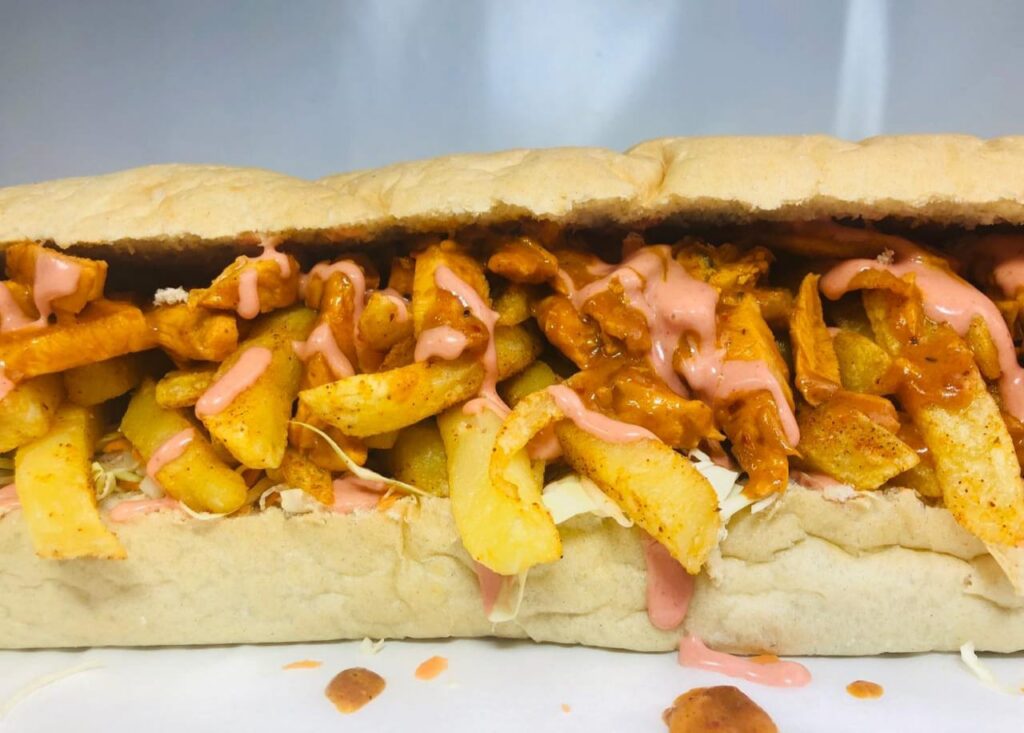
A giant sub roll stuffed with chips, meat (often steak, chicken, polony or viennas), sauce and a salad, invented in Athlone and now a Cape Town institution shared between friends because one whole Gatsby defeats most appetites.
Koesisters
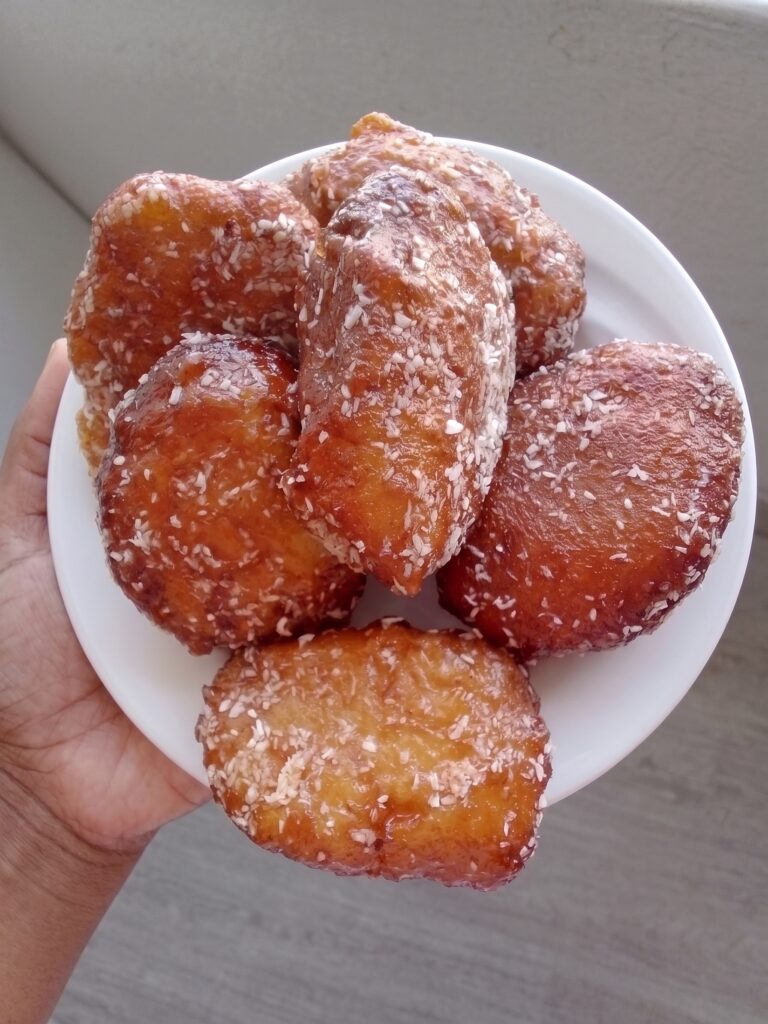
Syrupy, golden-brown deep-fried Cape Malay dough balls generously dusted with fine, white desiccated coconut. Koesisters are very popular on a Sunday morning with coffee.
Labarang Mince Pies
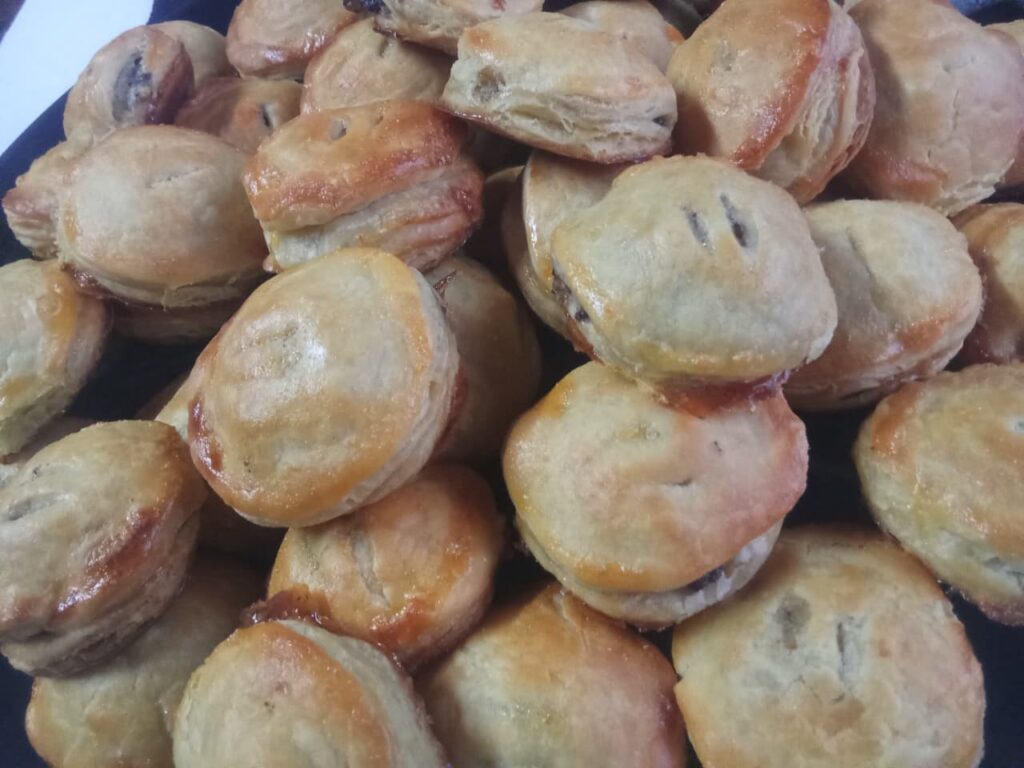
Small savoury pastries filled with spiced minced meat, baked for the Labarang (Eid) celebration and shared between neighbours as a gesture of goodwill.
Masala Steak
Grilled steak marinated in a fragrant masala spice blend, layered onto a roll or flatbread base with fresh salad and sauce. The masala pizza follows a similar logic, with spiced meat, onion and chilli piled onto a base and baked until bubbling.
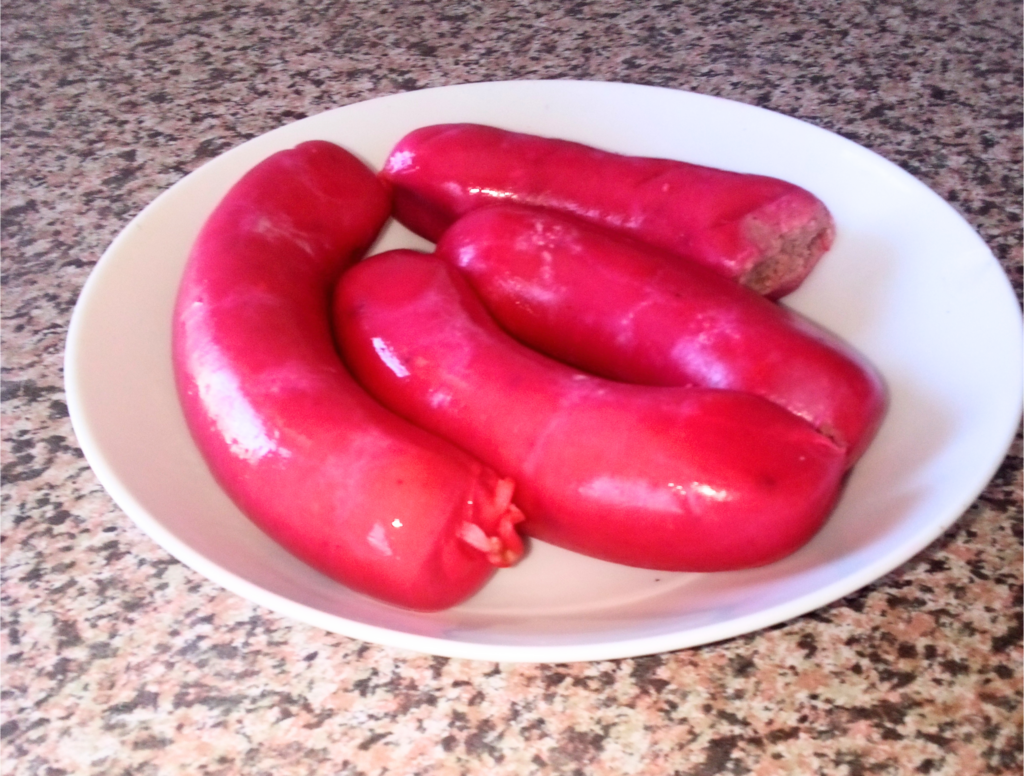
Penny Polony
Penny polony, also called a warme worsie, hone worsie or oulapworsie, is a bright-red or pink ready-cooked sausage associated with budget-friendly Cape Town food. Sold at bucheries, it can be eaten as it comes, put into a Gatsby, sold with slap chips or cooked into a smoortjie.
Pickled Fish
Fried fish fillets, usually yellowtail, snoek or hake, soaked in a spiced vinegar and onion marinade with curry powder, bay leaves and a touch of sugar. It’s a classic Easter dish that improves with a few days in the fridge, letting the flavours settle deeper into the flesh.
Porring
A baked pudding, often flavoured with vanilla or spice, set firm and sliced like a cake, served with custard as a sweet finish to a family meal.
Rysie Brysie
Rice topped with braised meat and potatoes cooked down in a spiced gravy until the flavours soak through every grain. Often made as a simple, filling one-pot meal.
Salomie
A soft, folded flatbread similar to a roti, usually wrapped around a curry mince or lamb filling to make a handheld meal that’s easy to eat on the move.
Sambals
Fresh, chopped side salads such as tomato and onion, carrot, or cucumber and yoghurt, seasoned lightly and served alongside curries to cool the palate between spicy bites.
Seafood and Lamb Curries
Coastal curries built on Malay spice blends, using kingklip, prawns or lamb simmered in a tomato and coconut or yoghurt-based sauce, each family holding tight to their own version of the spice mix.

Smoorsnoek
Flaked smoked or salted snoek fish braised with onion, tomato and potato until soft and saucy, traditionally eaten for breakfast with fresh bread.
Smoortjie
A base of tomato, onion and green pepper, slow-braised together with a protein such as chicken livers, penny polony or sardines, seasoned with a warming spice blend. The vegetables break down into a rich, saucy mixture that coats whatever meat is added.
Vis kuite
Fish roe, coated lightly and fried until crisp on the outside, served with bread and a side of atchar or chutney. It’s a coastal treat that turns an often-discarded part of the fish into a prized snack.
Yellow Rice
Rice cooked with turmeric, cinnamon, sugar and raisins, giving it a golden colour and a mild sweetness that pairs perfectly with bobotie or curry.
Traditional Northern Cape Dishes
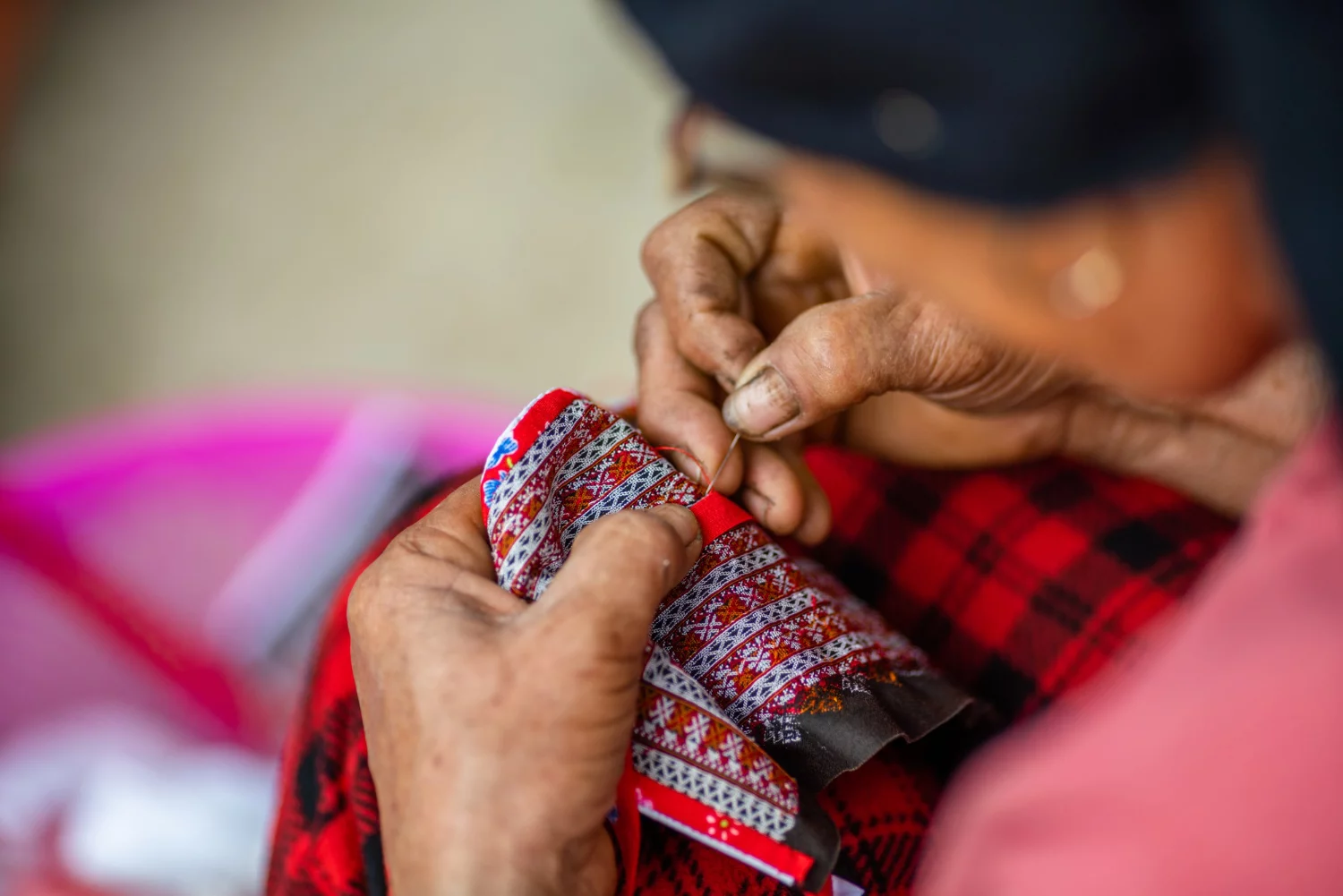
The Northern Cape’s food culture reflects a harsh, dry landscape and a farming and pastoral history, particularly among Nama, Griqua and Khoisan communities alongside Karoo farming families. Fire, ash and slow cooking define much of the region’s approach to bread and meat.
Afval (Pens en Poot)
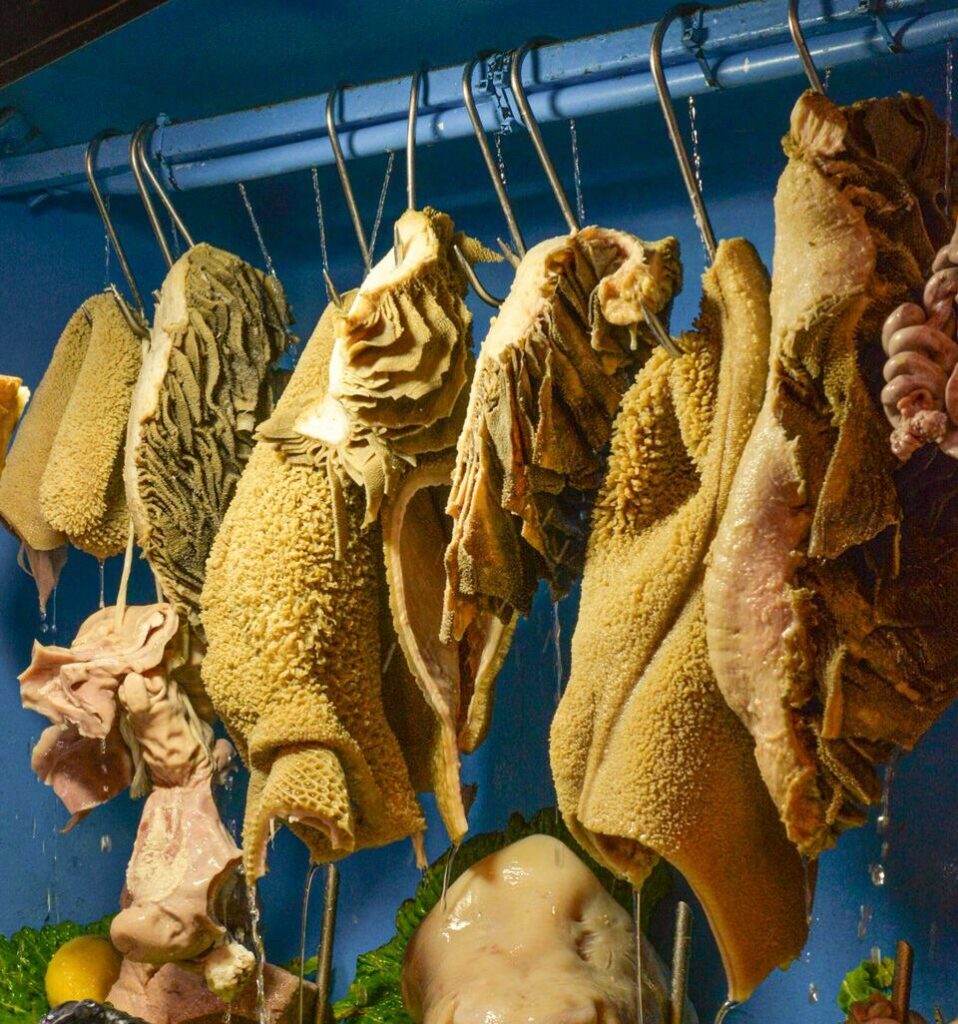
A stew made from sheep’s tripe (pens) and trotters (poot), slow-cooked with onion and spice until the tougher cuts turn soft and gelatinous.
Askoek
Bread dough placed directly onto hot coals from an open fire, then covered over with the ash as the coals burn down, allowing the loaf to bake from the heat around it. Once done, the ash is brushed off to reveal a firm, smoky-flavoured crust.
Bakbrood
Bread baked in an outdoor oven filled with hot coals, giving the loaf a distinct smoky flavour and a thick, crackling crust. It’s a method tied closely to farm life in the Northern Cape, where wood-fired ovens remain in daily use.
Bokmelk
Fresh goat’s milk, drunk on its own or used in cooking, is a staple in Northern Cape farming communities where goats often outnumber cattle.
Bokvet
Rendered goat fat, spread on bread in place of butter, a practical, calorie-dense staple in areas where dairy fat was scarce.
Gwarragoed (Derms)
Cleaned intestines (derms), prepared and cooked slowly, often over an open fire, until tender. It’s part of a broader offal-based tradition in the region that turns every cut of the animal into a meal.
Harslag
Offal made up of kidney, liver and heart, cooked together in one pot with onion and spice until tender, a resourceful dish that makes use of every part of the animal.
Kaiings
Crispy, rendered pieces of sheep or pig fat, fried until golden and crunchy, eaten as a snack or crumbled over pap for extra flavour and crunch.
N’abbas
N’abbas are Kalahari desert truffles that grow underground and emerge after favourable rainfall. They are associated with the Kalahari and have been gathered by local communities as a seasonal food. The fungi are sometimes called desert truffles, although they belong to the Terfezia group rather than the European truffles commonly associated with fine dining.
Roosterkoek
Dough rolls grilled over hot coals until the outside turns golden and slightly smoky, split open and filled with butter, jam or cheese.
Skaapkop
A whole sheep’s head, slow-cooked until the meat loosens from the bone, traditionally eaten by hand at gatherings in Karoo and Northern Cape farming communities.
Veldkos
Foraged indigenous plants and tubers, including koekemakranka and bou’roe, eaten raw, reflecting generations of knowledge about which plants offer nourishment in dry, arid regions.
Bantu Food Traditions
South Africa’s indigenous communities, including Zulu, Xhosa, Sotho, Tswana and Venda peoples among others, have their own deep food traditions built around grains, fermented dairy, leafy greens and meat prepared over open fire. Here are the traditional South African food loved in the community.
Amagwinya
Deep-fried dough balls, golden and fluffy inside, sold on street corners across the country and eaten plain, with polony, or dipped into a curry gravy.

Amasi
Fermented milk with a thick, tangy texture similar to plain yoghurt, traditionally made by leaving fresh milk to sour naturally in a container, then eaten with pap or on its own.

Chakalaka
A spicy vegetable relish made from onion, tomato, carrot, beans and chilli, cooked until soft and served alongside pap, braai meat or bread as a punchy side dish.
Chicken Feet
Slow-cooked chicken feet, simmered until the skin turns tender and gelatinous, often stewed with onion and spice into a rich, sticky sauce. Nicknamed “walkie-talkies” alongside chicken heads in township food culture.
Dombolo
Steamed bread dumplings with a soft, spongy texture, traditionally cooked over a pot of simmering water or directly on top of a stew so the dough absorbs the flavour beneath it.
Inhloko (Smiley)
A cooked sheep’s or cow’s head, slow-boiled until the meat softens, then grilled or roasted. Known as a “smiley” because of the head’s expression once the lips pull back during cooking.
Isidudu (Umdoko/Motogo)
A soft, thin maize or sorghum porridge, cooked with water until smooth, often the first solid food given to babies and a gentle breakfast for adults too.
Kota (Skhambane)
A hollowed-out quarter loaf of bread filled with chips, cheese, polony, egg and a house-made sauce, a township favourite that turns a loaf of bread into a full meal.
Mageu
A fermented maize drink with a mildly sour, slightly fizzy taste, traditionally made at home from maize meal and water left to ferment, now also sold commercially in cartons.
Mala Mogodu
Tripe and intestines slow-cooked with onion, spice and sometimes beans until tender, a hearty dish that takes patience to prepare and rewards the cook with deep, savoury flavour.
Mashonja (Matamani)
Dried mopane worms, rehydrated and fried or stewed with onion, tomato and chilli, valued for their protein content and earthy, slightly nutty taste.
Morogo
Wild leafy greens, similar to spinach, boiled or fried with onion and sometimes peanuts, a traditional side dish packed with nutrients and foraged rather than farmed in many rural areas.
Pap
A maize meal porridge cooked to a firm, sliceable consistency, served alongside grilled meat, chakalaka or gravy. Its texture ranges from soft and creamy to stiff, depending on how long it’s cooked and how much water is used.
Seven Colour Plate
A Sunday lunch tradition made up of seven different sides (typically rice, pap, chakalaka, beetroot salad, coleslaw, butternut and a green vegetable) surrounding a piece of grilled or stewed meat.
Shisa Nyama
Grilled meat cooked over open coals at a communal braai spot, usually shared among a group with pap, chakalaka and plenty of conversation while the meat cooks.
Umngqusho
A stew of samp and beans, slow-cooked with onion and sometimes potato until creamy and thick. Famously one of Nelson Mandela’s favourite dishes, it takes hours to soften properly but rewards the wait.
Umqombothi
A traditional home-brewed sorghum beer, thick, slightly sour and low in alcohol, brewed over several days and shared from a communal pot at ceremonies and celebrations.
Boerekos and South African Mainstream Favourites
Boerekos grew out of Afrikaner farming households, built around preserving meat, baking bread from scratch and stretching whatever the farm produced into filling meals. Many of these traditional South African food items have long since crossed into households of every background and now sit comfortably under the wider banner of mainstream South African food.
Baked Potatoes
Whole potatoes wrapped in foil and cooked directly in braai coals until soft inside, split open and topped with butter, cheese or sour cream. Can also be baked in the oven alongside meats.

Biltong
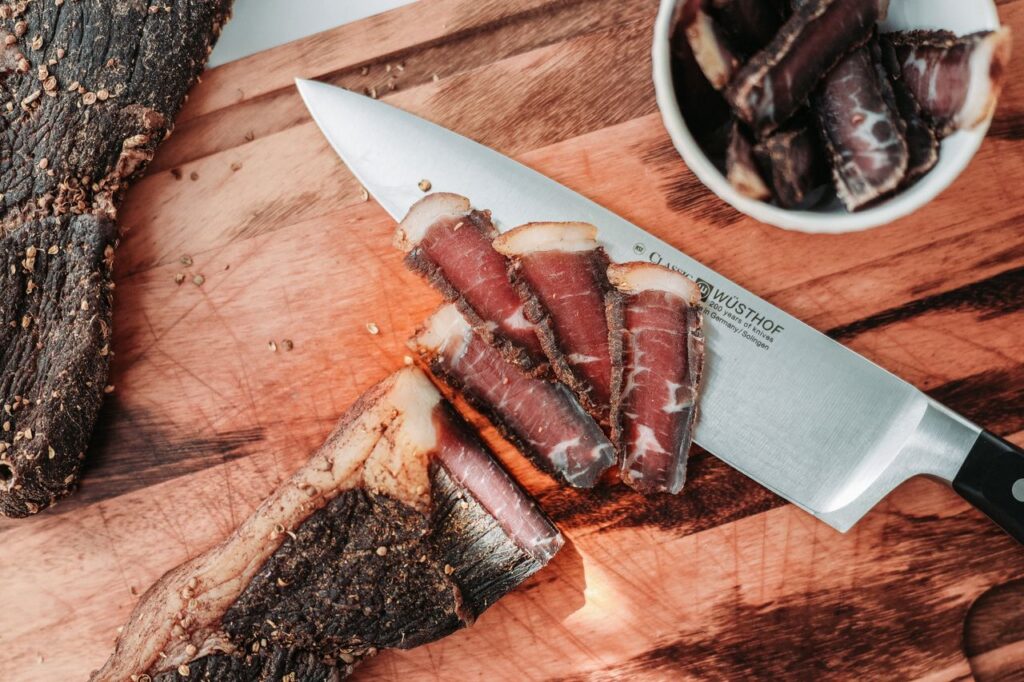
Strips of beef or game, salted, spiced with coriander and vinegar, then air-dried until firm. A snack found in nearly every household, car cubby hole and office drawer across the country.
Blatjang
A spiced fruit chutney, often made with apricot or peach, cooked down with vinegar and sugar until thick, served alongside curries or cold meats.

Boereboontjies
Sugar beans stewed with onion, tomato and bacon or mutton, cooked slowly until the beans turn soft and the sauce thickens into a rich, filling side dish.
Boerewors Rol
Spiced farm sausage, coiled and grilled over coals, served in a bread roll with tomato sauce and fried onion, a braai staple few gatherings go without.
Boontjiesop
A thick bean soup with sugar beans simmered with vegetables and meats for a warming winter meal.
Braaibrootjies
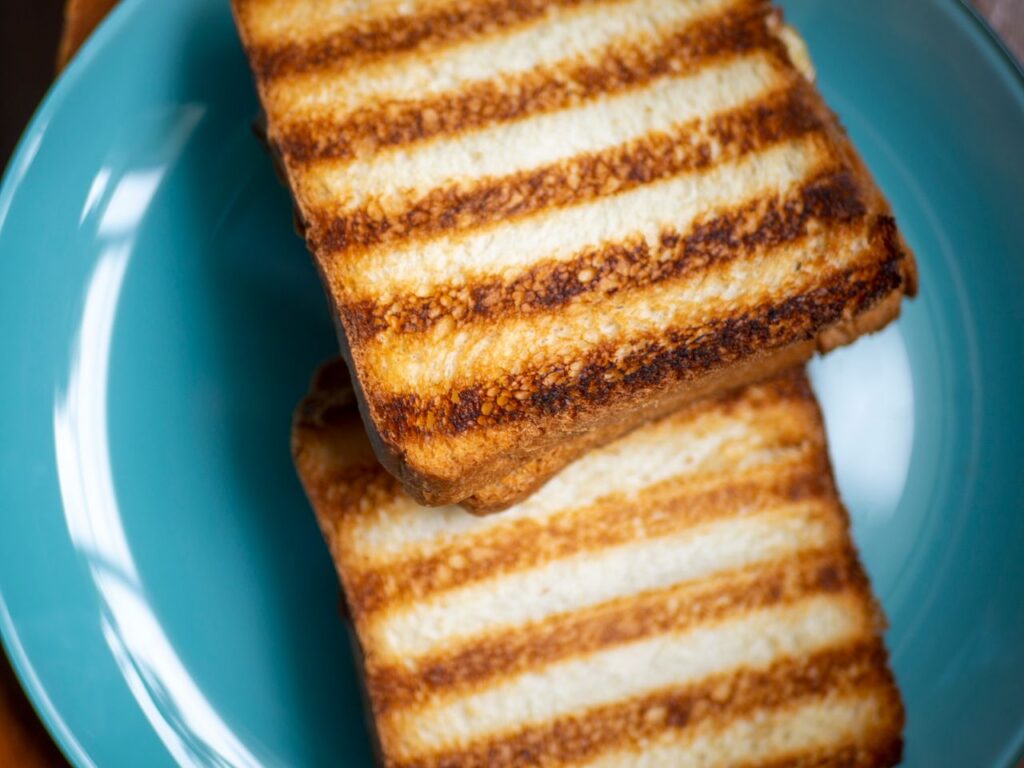
Slices of bread filled with cheese, garlic butter or tomato and onion, grilled over coals until toasted and slightly charred at the edges.
Brandy and Coke
A simple, well-loved cocktail of brandy poured over ice and topped with cola, a fixture at braais and family gatherings for decades.
Doekpoeding
A steamed pudding cooked wrapped in cloth, giving it a dense, moist texture, usually served with custard or syrup after Sunday lunch.
Droëwors
Droëwors is dried sausage made from seasoned meat. It uses a thinner sausage format than biltong and is air-dried until firm. Coriander and vinegar commonly appear in the seasoning of this traditional South African food.
Frikkadelle
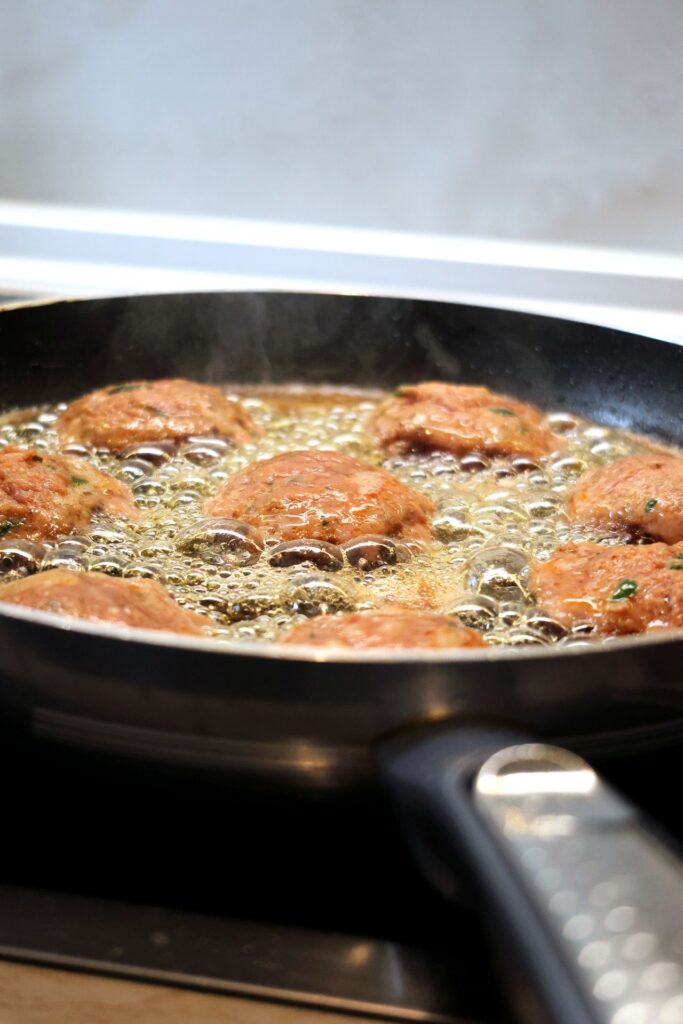
Spiced meatballs made from minced beef, breadcrumbs and herbs, fried or baked until browned. It is a padkos staple alongside boiled eggs (food eaten on long road trips).
Fudge
A dense, sweet confection made from sugar, butter and condensed milk, boiled and set until firm, sold in slabs at farm stalls and markets around the country.
Hertzoggies
Small tartlets with a shortcrust base, filled with apricot jam and topped with coconut meringue, named after former Prime Minister J.B.M. Hertzog.
Hoenderpastei
A creamy chicken pie topped with pastry, baked until golden, served during weekday dinners or Sunday lunches.
Jaffels
Toasted sandwiches cooked in a hinged iron press over a fire, filled with cheese, tomato, mince or egg, sealing the edges so the filling stays put.
Kerrie en Rys
A mild curry, usually made with meat or vegetables in a simple spiced sauce, served over rice. It’s a popular, budget-friendly dish sold at church bazaars and community fundraisers.
Klapper Ys
A coconut-flavoured sweet, dense and chewy, made from desiccated coconut, sugar and condensed milk, cooked and set into small bars or squares.
Koeksisters
A twisted, deep-fried dough, dunked in cold sugar syrup right after frying so the outside stays crisp and sticky while the inside stays soft, distinct from the Cape Malay koesister in shape and syrup temperature.
Malva Pudding
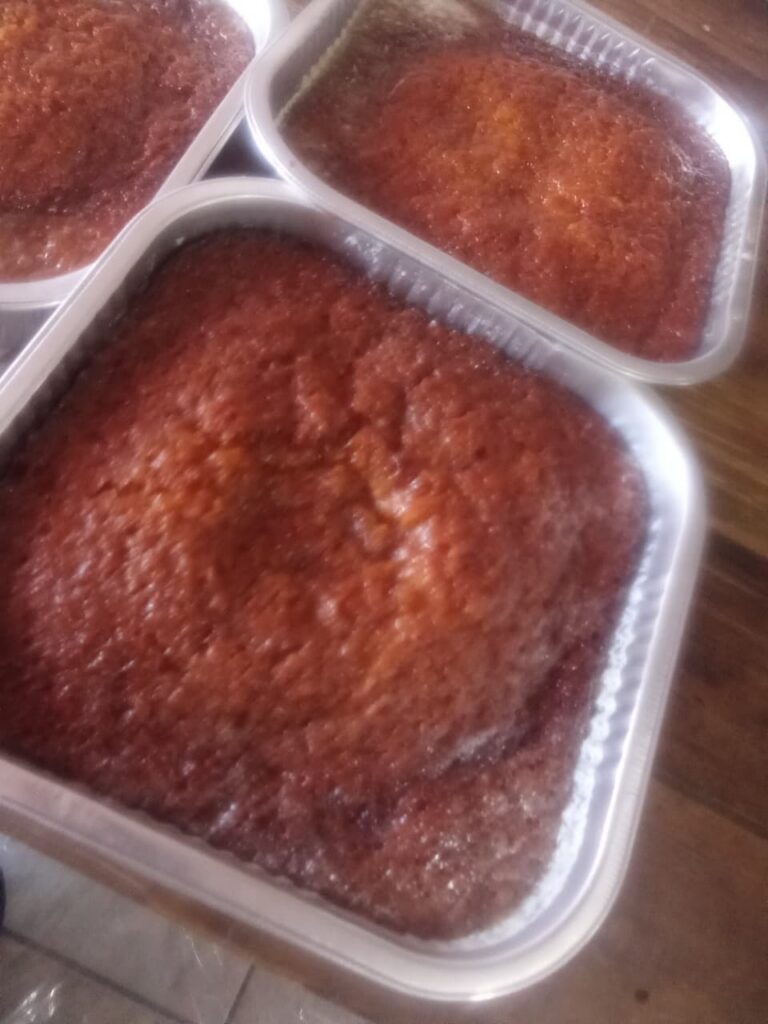
A spongy, caramel-flavoured baked pudding made with apricot jam, soaked in a hot cream sauce after baking so it stays moist and rich, typically served warm with custard or ice cream.
Milk Tart
A custard tart with a light, cinnamon-dusted filling set in a pastry or biscuit crust, one of the most widely loved desserts in the country regardless of background.
Mosbolletjies
Sweet, aniseed-flavoured bread rolls traditionally leavened using grape must from winemaking, baked in clusters that pull apart easily.
Murg bene
A beef thigh bone sawn in half lengthways and grilled or roasted until the marrow softens enough to scoop out and spread on bread, usually served as a starter.
Ouma Onder Die Kombers
Meatballs wrapped in cabbage leaves and simmered in a tomato-based sauce until the cabbage softens and the flavours settle together. The name translates loosely to “granny under the blanket,” a nod to the cabbage wrapping.
Pampoenkoekies
Pumpkin fritters is a traditional South African food, made from mashed pumpkin, flour, sugar and cinnamon, fried until golden and dusted with more cinnamon sugar before serving.
Pennie-Poeding
A simple, old-fashioned steamed pudding, dense and slightly sweet, traditionally made with basic pantry ingredients when money was tight.
Peppermint Crisp Tart
A no-bake dessert layered with caramel, cream and crushed peppermint crisp chocolate over a biscuit base, chilled until firm and sliced into squares.
Potbrood
Bread baked in a cast-iron pot over coals, giving it a crusty exterior and a soft, slightly smoky interior, traditionally torn apart and shared rather than sliced.
Potjiekos
Potjiekos is a slow-cooked stew prepared in a three-legged cast-iron pot over a fire. Meat, vegetables and sometimes starches are added according to the recipe. There are countless versions, from lamb and chicken to venison and vegetable potjies. The ingredients cook slowly over the coals, creating a rich stew suitable for a long lunch around the fire.

Skilpadjies
Minced or chopped lamb’s liver wrapped in caul fat and grilled over coals until the fat crisps and the liver inside stays tender.
Sondag Wortels
A sweet carrot salad or preserve, cooked with sugar, vinegar and spice, traditionally served cold as a Sunday lunch side dish.
Sosatie
Skewered, marinated meat (often lamb or chicken) with dried apricots and onion, grilled over coals, the marinade often built on a curry-spiced base with a touch of sweetness.
Souskluitjies
Sweet dumplings cooked in a spiced syrup, similar in spirit to a poached dessert, served warm as a simple, filling treat.
Springbokkie
A layered shooter made from crème de menthe and Amarula (or cream), named for the green and cream colours resembling a springbok’s coat.
Tameletjie
A hard, brittle toffee made from boiled sugar and vinegar, cooled and broken into pieces, a traditional treat sold at fetes and markets.
Vetkoek
Deep-fried dough, crisp outside and soft inside, split open and filled with mince, syrup or cheese, a quick and filling snack.
Ystervarkies
Ystervarkies are bite-sized sponge cakes dipped in a chocolate-cocoa syrup and rolled in desiccated coconut, similar in spirit to a lamington but smaller and denser. Their name, meaning “little porcupines,” comes from the textured coconut coating.

South African Indian Cuisine
Biryani
Layered spiced rice cooked with chicken, lamb or mutton, saffron and whole spices, brought to South Africa by indentured labourers from India and adapted over generations into a distinctly Durban style.
Bunny Chow
A hollowed-out loaf of bread filled with curry, invented in Durban’s Indian community as a portable meal for workers who needed something easy to carry and eat without cutlery.
Durban Curry
A fiery, deeply spiced curry made with chicken, mutton or beans, known for its heat and its use of a distinctive Durban masala blend that sets it apart from curries elsewhere in the country.
Tandoori
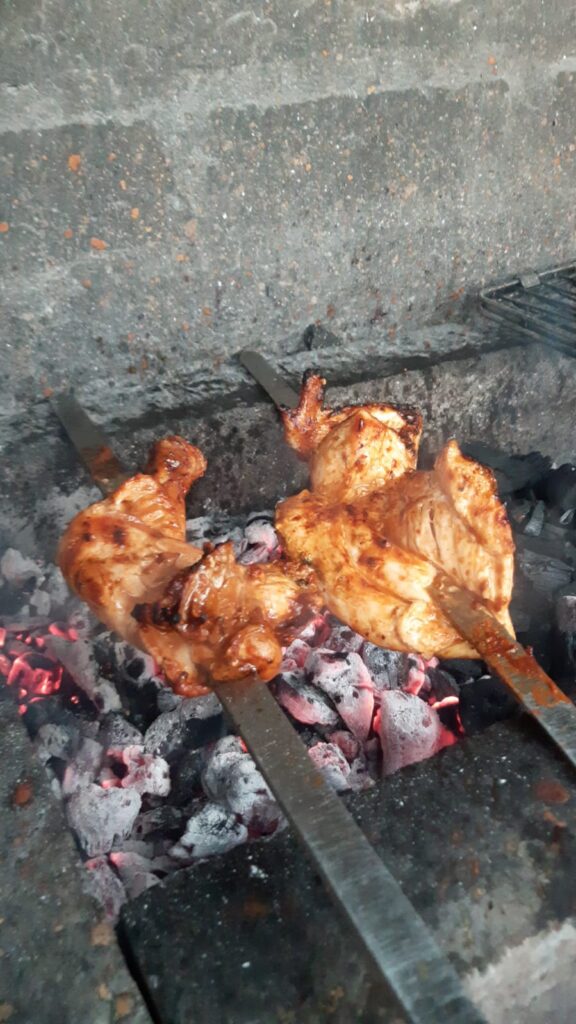
Meat marinated in yoghurt and spice, traditionally cooked in a clay oven until charred at the edges and tender inside, adapted in South Africa using regular ovens or braai grids.
Tikka
Small pieces of marinated meat, grilled or roasted until slightly charred, usually served with a side of chutney, salad or naan.
What is your favourite traditional South African food?
Whichever plate lands in front of you this Heritage Day, spare a thought for the hands that built these recipes long before hashtags existed. Traditional South African food and heritage day food were never meant to sit in one lane, they grew across kitchens, borders and generations, borrowed and reshaped by whoever needed a good meal on a hard day. Pick a dish, pick a few, and eat like the whole country is watching, because on this particular day, it kind of is.
About The Author
