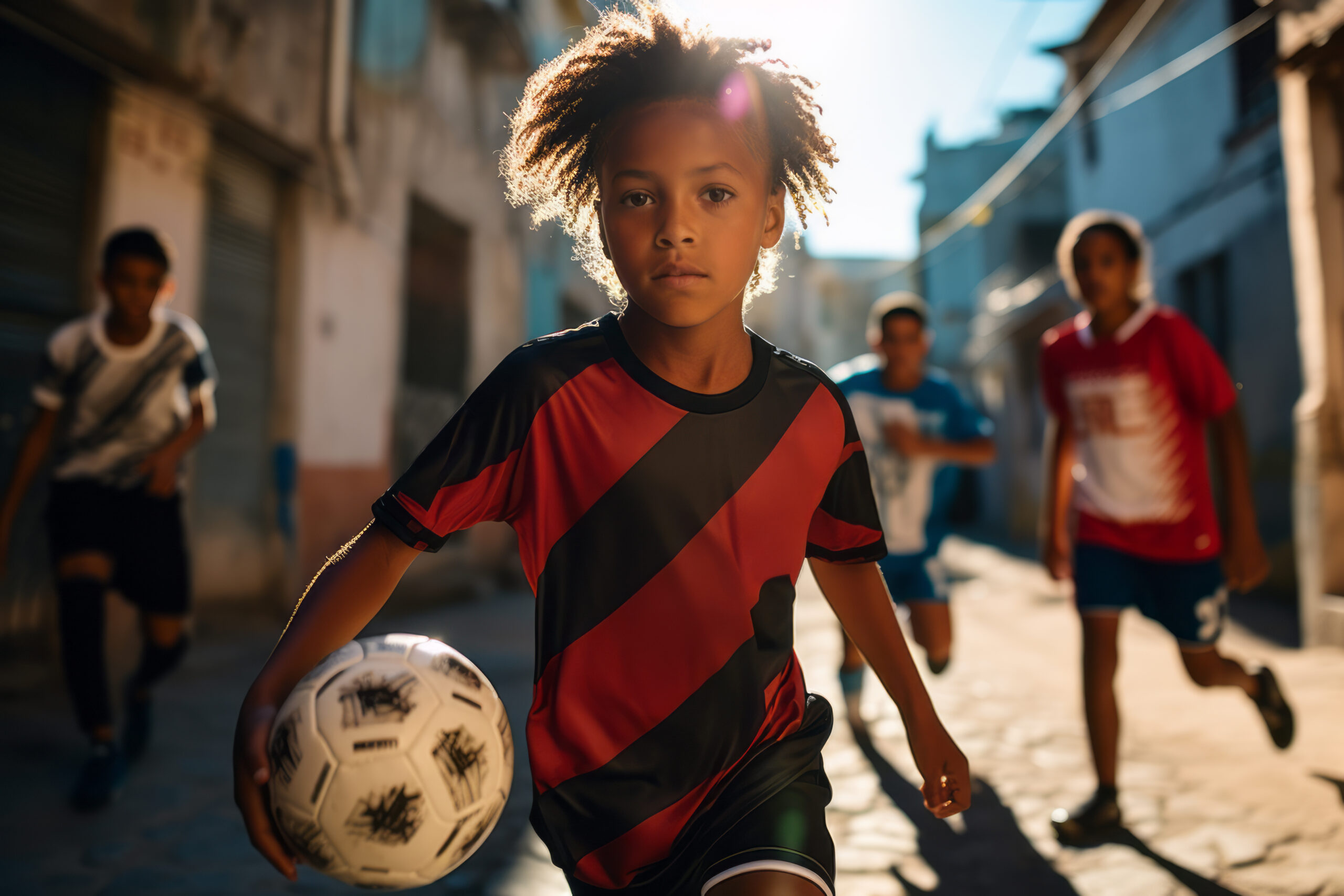
There was a time when the world outside was our greatest adventure, and the best kind of fun didn’t come from a screen or a device. It was the sound of a ball bouncing on the road, the markings of chalk on the pavement, and the wide open space where anything could happen. It didn’t matter if the game was perfect—it was the freedom, the joy of being outside, and the feeling of time slipping away unnoticed. Those games taught us things too, like teamwork and a bit of healthy competition. We had no idea that those simple joys would become some of our best memories.
The games many of us grew up playing have taken on new meaning as part of the Indigenous Games Festival. Since 2003, this annual event has highlighted the cultural wealth of South Africa through traditional sports. Hosted by the Department of Sport, Arts, and Culture, it showcases nine Indigenous Games rooted in the skills that once sustained communities—quick reflexes, precise aim, steady balance, and sharp intuition. Beyond competition, these games honour the strength and creativity of generations, bringing people together to celebrate diversity and shared heritage.
List of indigenous games in South Africa
The Indigenous Games Festival showcases games that have been passed down through generations, each carrying its own unique history and excitement.
-
Skululu (aka Dibeke)
In Skululu, two teams compete with a ball, but the goal is different from what you’d expect in football. The attacking team kicks the ball down the field with the aim of scoring by getting it across the finish line. Meanwhile, the defending team doesn’t just block; they actively use their hands to catch the ball and throw it at the other players. Getting hit by the ball means you’re out, so it’s a game of strategy and quick moves. Each team must be alert and coordinate their actions to either defend or attack.
-
Klipgaatjie (aka Diketo)
Klipgaatjie is a game where players dig a small hole or draw a shape in the ground and fill it with stones. One stone is set aside to be tossed into the air, and the goal is to scoop as many of the other stones as possible from the shape before catching the one tossed into the air. The game continues in rounds, with players picking up stones in different combinations. The challenge comes in the balance and precision needed to gather and return the stones while keeping focus on the stone thrown into the air.
-
Drie stokkies (Three Sticks)
Drie Stokkies is played with three sticks laid out in parallel lines on the ground. Players take turns jumping over the sticks in a specific order. The challenge grows as the sticks are moved further apart after each round, requiring players to jump farther with each attempt. The sticks are never moved inward, so as the game progresses, the distance between the sticks increases, making it more difficult to clear the jumps. Players must also avoid touching the sticks with any part of their body or taking an extra step between them. The game continues until one player can jump the farthest distance, with each round making it harder to succeed.
-
Skiptou (aka Kgati)
Skiptou, or Kgati, involves two people swinging a skipping rope while a third person jumps in rhythm with the rope’s movement. The jumper performs various stunts and tricks, often with the added challenge of clapping hands or incorporating footwork that matches the beat of a song. The goal is to keep up with the rope and complete the stunts without tripping or losing rhythm. As the rope swings faster, the difficulty increases, requiring both agility and coordination to maintain the flow of the game.
-
Aan-aan (aka Kho Kho)
Aan-aan, or Kho Kho, is a fast-paced game of tag played with two teams. Players line up in a row facing opposite directions. The chasers try to catch the defenders, who move rapidly across the field, trying to stay out of range. When a defender crosses to the other side of the field, the chaser must tap a teammate who is waiting and change positions. The game continues with players darting between sides, avoiding being tagged while the chasers work together to trap their opponents.
Other games that are played in the Indigenous Games Festival are Intonga (stick fighting), jukskei, morabaraba, and ncuva.
The Western Cape’s Provincial Indigenous Games Festival is held at the Western Cape Sports School, where district teams from throughout the province face off. The best athletes from each province will then compete to earn a spot representing their province in the different events.

Author: Editorial Team
About The Author
