The Highest-Paying Jobs in South Africa That Don’t Need a Degree
These roles reward skill, experience, and dedication.

Local companies offer several semi-skilled jobs that pay surprisingly well, especially for roles that don’t require a university degree. Below is a breakdown of some of the highest-paying jobs in South Africa.
Table of Contents
Explore Some of the Highest-Paying Jobs in South Africa That Don’t Require a Degree
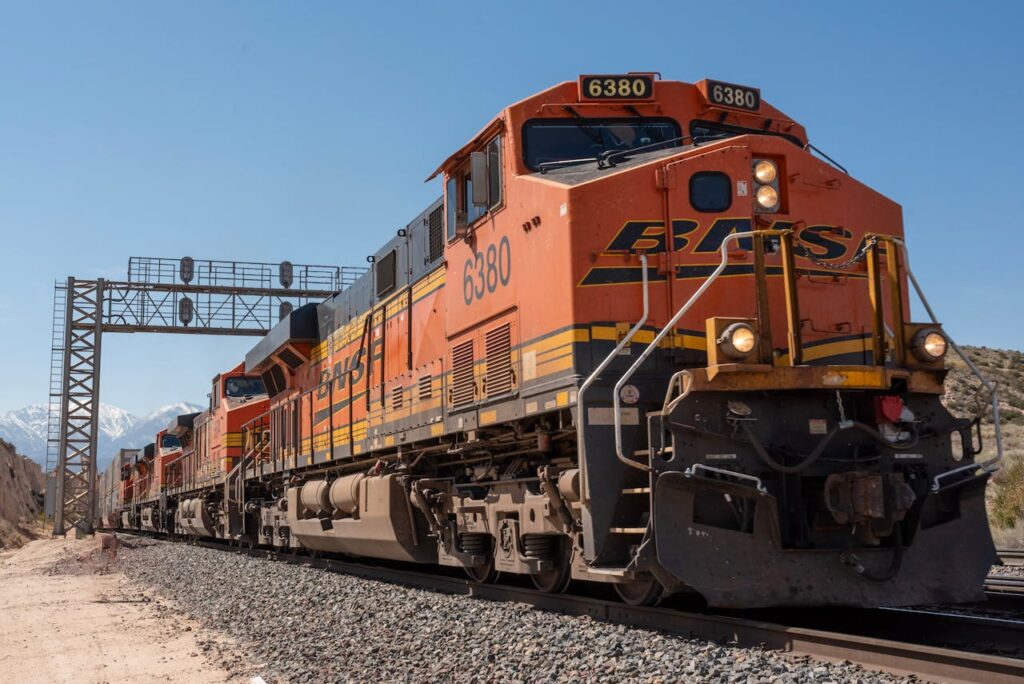
1. Train Driver
Job Description
Train drivers are responsible for operating trains safely and efficiently. Their duties include monitoring train controls, communicating with signal operators, and ensuring passengers or cargo reach their destination on time. The role demands focus, attention to detail, and knowledge of rail safety regulations.
Salary Estimate
According to Payscale, train drivers in South Africa, particularly at Transnet Freight Rail, can earn an average salary of approximately R445,000 per year (R37,000 per month).
2. Construction Manager

Job Description
Construction managers oversee building projects, including planning, budgeting, and coordinating workers. Although many consider it a degree-required management position, experienced tradespeople with strong leadership skills can fill many roles.
Salary Estimate
Construction managers in South Africa can earn an average of R600,000 per year (R50,000 per month), depending on experience and project scope.
3. Electrical Technician

Job Description
Electrical technicians install, maintain, and repair electrical systems in homes, businesses, and industrial settings. The job requires technical knowledge, problem-solving skills, and adherence to safety protocols.
Salary Estimate
Entry-level electrical technicians earn around R23,000 per month, while more experienced technicians can make up to R34,000 per month.
4. Underground Miner

Job Description
Underground miners extract minerals and resources from beneath the earth’s surface. The role involves operating heavy machinery, monitoring safety conditions, and working in often challenging underground environments.
Salary Estimate
The average annual salary for underground miners in South Africa is R503,654 (R42,000 per month), with potential variation depending on the mine and experience level.
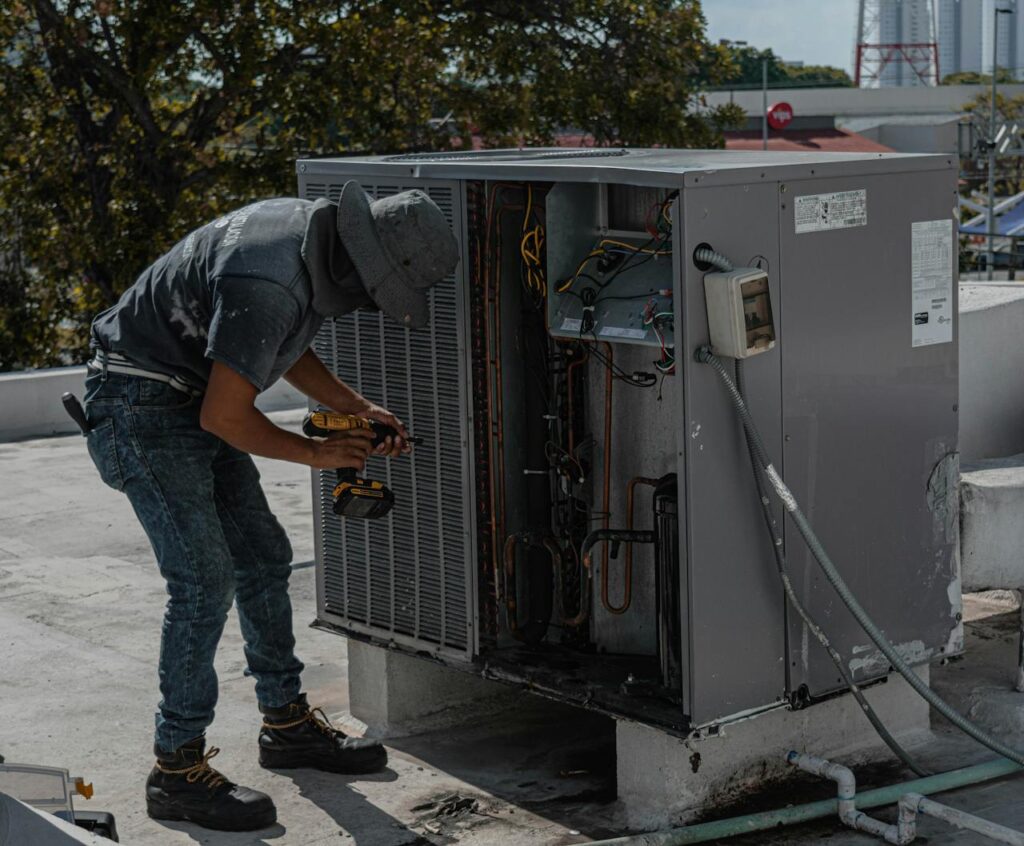
5. Field Service Technician
Job Description
Field service technicians maintain, repair, and install electrical equipment for clients across various industries. The role requires technical knowledge, customer service skills, and the ability to work independently.
Salary Estimate
Field service technicians at Eskom earn salaries ranging from R25,000 to R35,000 per month, depending on experience and location.
6. Road Worker Supervisor

Job Description
Supervisors in road construction oversee teams working on infrastructure projects. They ensure safety compliance, monitor workflow, and coordinate equipment and materials.
Salary Estimate
Road worker supervisors earn an average annual salary of R390,000 (R32,500), though this can vary based on region and project size.
7. Traffic Officer

Job Description
Traffic officers enforce road regulations, monitor traffic flow, and ensure public safety. Their duties include issuing fines, investigating accidents, and managing traffic incidents.
Salary Estimate
Traffic officers in South Africa earn an average of R245,000 per year (R20,000 per month), with higher earnings possible with seniority or specialised roles.
8. Firefighter

Job Description
Firefighters respond to emergencies, including fires, accidents, and medical incidents. They perform rescues, control hazards, and educate the public on safety practices.
Salary Estimate
The average annual salary for firefighters is approximately R488,951 (R40,000 per month), depending on experience and municipality.
9. Boilermaker

Job Description
Boilermakers construct, assemble, and repair metal structures and vessels. The job involves welding, cutting, and shaping metal, often in industrial or construction environments.
Salary Estimate
Entry-level boilermakers earn around R317,261 annually (R26,000 per month), while senior boilermakers can earn up to R545,869 per year (R45,000 per month).
10. Oil Rig Driller

Job Description
Oil rig drillers operate drilling equipment to extract oil and gas. They ensure machinery functions correctly and maintain safety on offshore or onshore rigs.
Salary Estimate
Entry-level drillers earn roughly R323,134 annually (R26,000 per month), with senior drillers reaching around R552,705 per year (R46,000 per month).
11. Heavy Equipment Mechanic

Job Description
Heavy equipment mechanics repair and maintain machinery used in construction, mining, and agriculture. This includes diagnosing faults, replacing parts, and performing regular maintenance.
Salary Estimate
The annual average salary for heavy equipment mechanics in South Africa is approximately R394,105 per year (R32,000 per month), depending on location and experience.
12. Warehouse Manager

Job Description
Warehouse managers oversee storage, inventory, and distribution operations. They coordinate staff, manage logistics, and ensure efficient workflow in warehouses.
Salary Estimate
In Cape Town, warehouse managers earn an average of R383,000 per year (R31,000 per month), according to Payscale.
13. Stevedoring

Job Description
Stevedores handle the loading and unloading of cargo at ports. They work with heavy machinery, ensure goods are securely stored, and manage logistics schedules.
Salary Estimate
Workers in stevedoring earn an average annual salary of R342,835 per year (R28,500 per month), with opportunities for overtime and shift allowances.
Factors Influencing Salaries
Several key factors determine how much you can earn with these highest-paying jobs in South Africa. Understanding these can help you target roles with the best earning potential.
Experience and Tenure
Workers who stay in a role long enough to build proper experience tend to move up the pay ladder. Employers look at track record and reward the skills that come with time. Senior roles always pay more than entry-level positions, and experience is the bridge that gets you there.
Location
Urban centres offer higher salaries than smaller towns. Johannesburg, Cape Town and Port Elizabeth have more industries that compete for semi-skilled workers. Rural jobs usually pay less because demand is weaker.
Industry Demand
Mining, energy, and construction often lead the way in pay. The work is tough, risky or requires specialised skills. Employers recognise that and raise salaries to attract and keep workers. These sectors are usually the most rewarding for semi-skilled roles.
Risk and Work Conditions
When the job involves heavy lifting, dangerous conditions, or irregular hours, pay usually goes up. Miners, oil rig crews, and dock workers earn higher wages because the work is tough and the risk is real. The conditions drive employers to pay better.
Company Size and Reputation
Big companies tend to pay better than small firms. Well-known employers also bring benefits like bonuses, structured pay, and allowances. That stability and extra income make them attractive workplaces for semi-skilled staff.
Economic and Market Trends
Wages often track the health of the economy. Infrastructure projects, sector growth, or rising inflation can push salaries up, while weaker times slow down wage growth.
Overtime and Shift Allowances
In many semi-skilled roles, extra income comes through overtime or night shifts. Mining and emergency services are good examples where additional hours bring in higher total pay.
Union Membership and Collective Bargaining
Unions can secure stronger pay through collective agreements. Union membership gives workers more protection, fairer wages, and stable working conditions compared to jobs outside union structures.

RELATED POST: How to Apply for Your Professional Driver’s Permit (PDP)
From taxi drivers to delivery personnel, anyone operating a vehicle as part of their job needs this permit.
How to Make Yourself an Attractive Candidate for the Highest-Paying Jobs in South Africa
Landing one of these highest-paying jobs in South Africa often depends on more than just having basic qualifications like a matric certificate. Here are several ways to stand out to employers and boost your earning potential.
Build Relevant Experience
Practical experience carries a lot of weight in semi-skilled work. Taking on short-term contracts, volunteering, or internships shows that you can handle the tasks required. Time spent in similar environments proves competence and reliability without having to say it.
Obtain Certifications and Training
Holding the right certificates or licences signals that you have invested in your skills. A welding qualification for trade work, an electrical licence, or a safety course for mining makes a noticeable difference. These credentials often separate candidates with similar experience.
Develop Specialised Skills
Having something extra in your toolkit can make you the person employers remember. Operating unique equipment, knowing advanced safety procedures, or using specialist software gives you an edge. Employers value staff who can do what few others can.
Demonstrate Reliability and Work Ethic
Managers look for people who can be trusted to keep the job moving. A good attendance record, punctuality, and proof of hard work matter more than people realise. References that reflect steady effort can push your application higher.
Network Within the Industry
Attending industry gatherings, joining relevant groups, or talking to current workers provides insight into upcoming roles and access to referrals. Relationships often lead to opportunities before positions are advertised.
Stay Updated on Industry Trends
Understanding how the field evolves, learning new technology, and keeping track of regulatory changes show initiative. Being adaptable makes it easier to handle new processes and contribute to team efficiency.
Showcase Soft Skills
Even technical roles rely on communication and teamwork. Problem-solving, helping others, and clear interaction make the workplace more effective. Demonstrating these skills complements hands-on expertise.
Prepare a Strong Resume and Interview Presence
A clear, tailored CV showing experience, training, and skills attracts attention. During interviews, giving examples of practical success and handling challenges reflects capability. Confidence and calm communication make a lasting impression that outshines basic qualifications.
Be Willing to Relocate or Work Flexible Hours
The highest-paying jobs in South Africa may involve travel, relocation, or irregular hours. Showing openness to these conditions creates access to better opportunities and faster progression in a chosen career path.
About The Author