
Winter in Cape Town has shown its teeth. Those cold fronts have rolled in with proper force, bringing relentless winds that whip through the streets and rain that soaks right through your jacket. Up in the Boland mountains, the cold has even gone as far as dusting the peaks with snow.
Winter in Cape Town also means it’s soup weather — thick, hearty bowls to warm the belly after a damp day outside. It’s a season for cancelling weekend plans, curling up indoors with a blanket, and letting Old Brown Sherry make its welcome return. It’s OB time! Warm hands, warm chest, warm everything. There’s something about this time of year that calls for comfort and a bit of tradition.
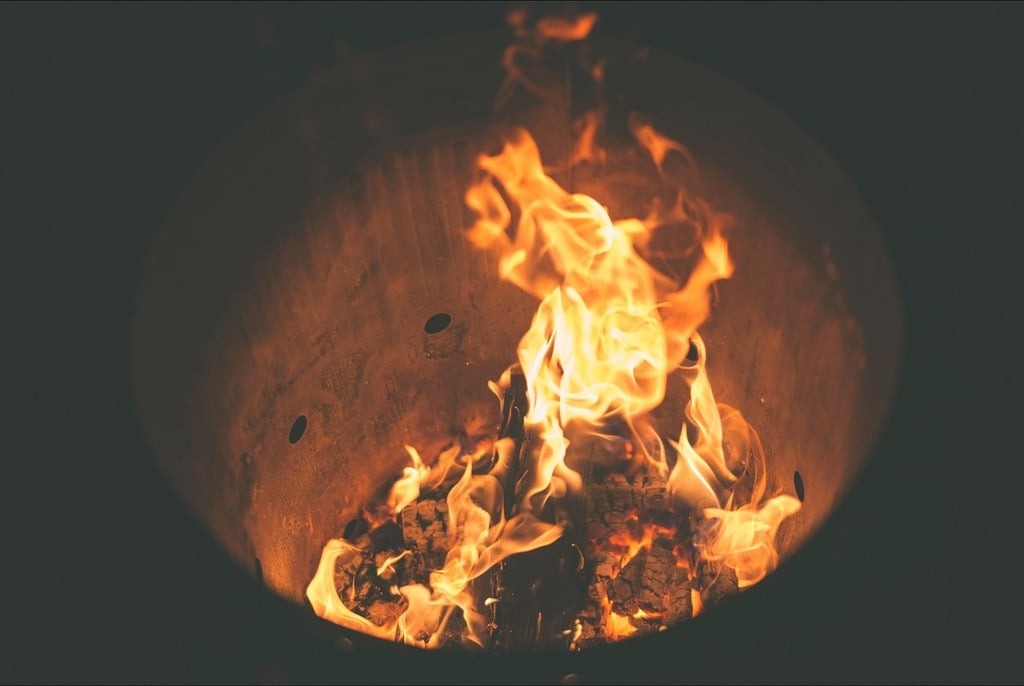
One of those traditions is the ghellie. For many, it’s a symbol of winter evenings past and present. Back in the day, when electric heaters belonged to the lucky few, the ghellie stood proud in our backyards or the street corner attracting everyone in the neighbourhood, even stray dogs, to its heat.
For those who never grew up with one, a ghellie is a homemade tin stove. Usually made from a 25-litre drum, it’s punched with holes and packed with firewood. The name ghellie comes from ‘galley’ — a ship’s kitchen. The word “ghellie” actually comes from “galley,” the term for a ship’s kitchen, and later came to refer to any field kitchen. Usually made from a 25-litre drum, it’s punched with holes and packed with firewood.
People would gather around a glowing ghellie, sharing stories and enjoying the crackle of burning wood. When the flames died down to hot embers, a sprinkle of salt on the coals would send up sparks before the drum was taken inside, placed on bricks to keep the warmth going for hours.

How to Make a Ghellie
1. Get yourself a large empty metal drum, about 25 litres. The kind you can find at a wholesale shop or your neighbour’s backyard.
2. Make sure it has a handle. If it doesn’t, find some wire and fit your own. You’ll need it.
3. Use a hammer and chisel to punch air holes around the bottom and sides. Not too big, but enough to keep the fire alive and breathing.
4. Clear a safe, open spot outdoors. Load in your firewood or charcoal, light it up, and you’re good to go.
5. Keep a fireproof brick setup ready if you want to elevate it later and turn it into a little heater.
6. Always keep a bucket of water nearby for safety, and never leave the fire unattended.


Author: Editorial Team
About The Author
