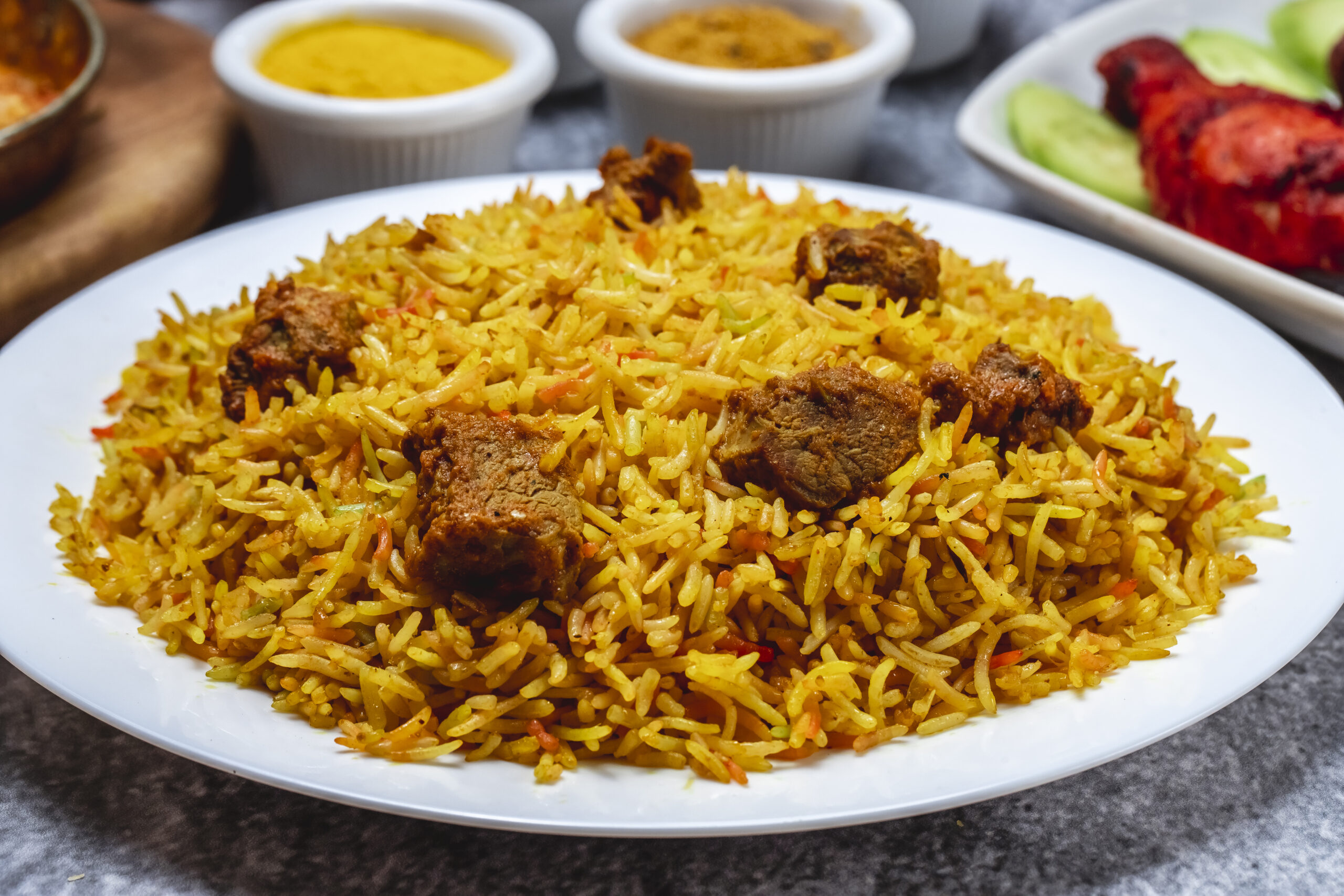
Breyani traces its origins to Iran, where the name can be linked to the Persian term “birinj biriyan,” meaning fried rice. This fragrant dish later evolved, with regions like Hyderabad and Lucknow in India becoming famous for their distinct variations where rice, spices, and meats came together in celebratory feasts. These regions are known for carefully layering rice with marinated proteins or vegetables, infusing every grain with flavour.
Akni, on the other hand, draws its roots from the Muslim communities in Bangladesh, where it became a simpler one-pot preparation. It features more or less the same ingredients as breyani but follows a quicker preparation method without the careful layering.
In Cape Town, breyani and akni found a new home in the kitchens of the Cape Malay community, blending with local ingredients and flavours. Over time, breyani and akni became essential to Cape Malay cooking, served at celebrations, family gatherings, and religious events. The use of fragrant spices like cinnamon, cardamom, and cloves gives these dishes a unique identity while honouring their origins.
Though these dishes share a starting point, each has its way of telling a story through food. There are distinct differences in their ingredients, preparation, presentation, and flavour profile, which we’ll look at below.
Ingredients
When you look at akni and breyani, they both have rice, meat, and spices at their heart, but what’s in them and how much of each is where they start to differ.
The first difference lies in the lentils. Breyani often includes lentils, which add a firm bite and a distinct earthy taste. Akni, however, skips lentils entirely. Then there’s the rice. Akni always uses basmati rice because it cooks light and fluffy while holding onto the flavours of the dish. Breyani is more flexible—you can use basmati or regular rice, and the choice won’t make or break the dish.
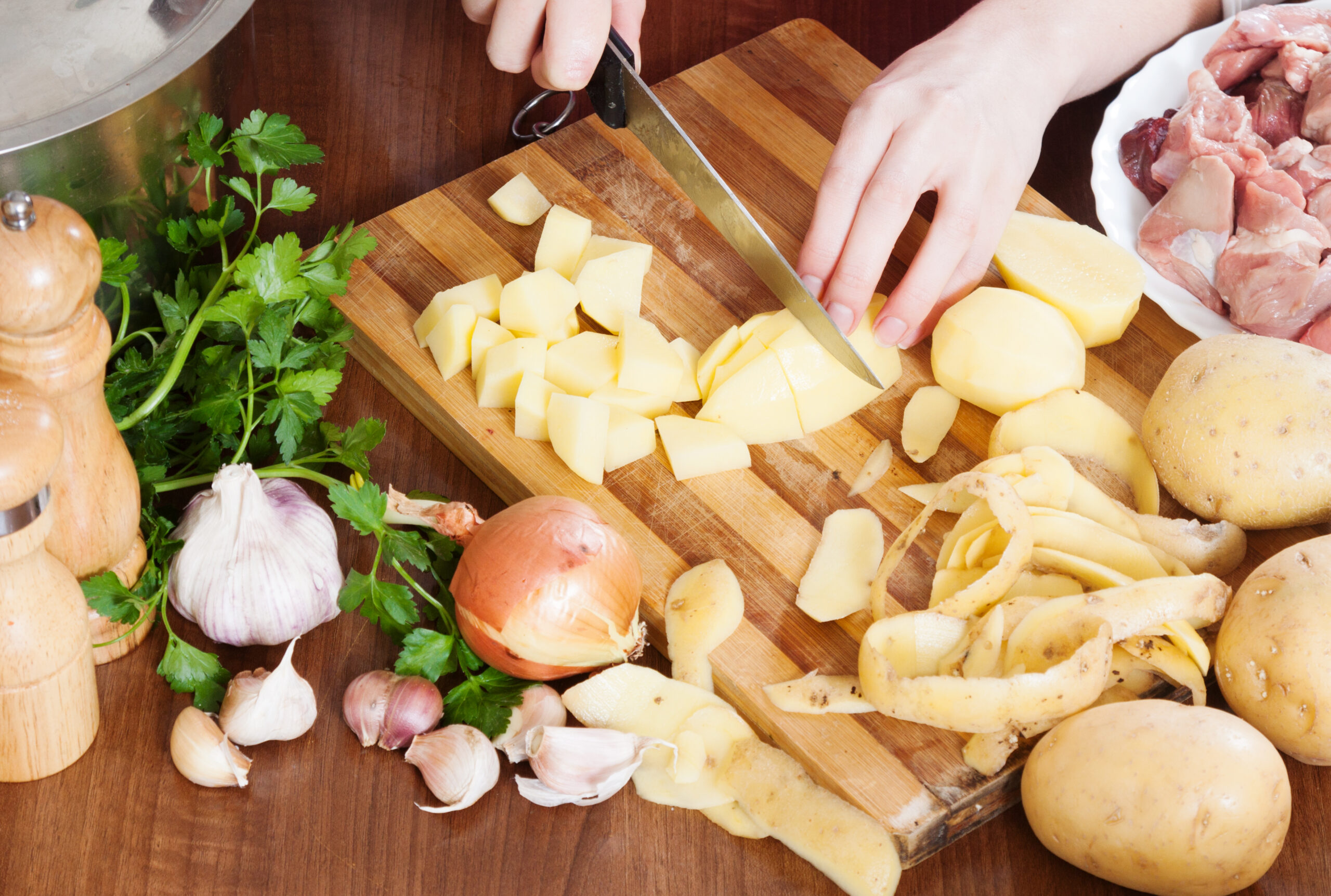
Potatoes are another distinction. In akni, potatoes are almost non-negotiable. They’re cooked into the dish until they’re tender and soak up all the spices. With breyani, potatoes are more of a preference. Some recipes use them, but they’re far from essential.
Breyani also tends to welcome additional touches, like boiled eggs or even fried onions on top. These extras add variety and a little something special. Akni, on the other hand, typically include such flourishes.
Preparation
One of the key differences is in how you make these dishes. Akni is cooked in one pot. Everything goes in together—the rice, the meat, the spices—and they cook as one. It’s easy to make and doesn’t require too much effort or time. Akni can even be cooked outside on the fire as what we call a “potjie”.
Breyani is a bit more involved. The rice and meat are cooked separately, then layered together. You’ll add fried onions, nuts, or saffron on each layer before everything is cooked slowly. The slow cooking helps all the flavours settle in.
Presentation
Akni is the kind of dish you’d make on a weekday, served in the same pot it was cooked in. There’s no need for fancy plating. It’s hearty and comfortable, not about showing off.
Breyani is the star of the show. It looks stunning with all those colorful layers and garnishes. Fried onions, nuts, and maybe a sprinkle of fresh herbs on top make it feel like something special, often served for celebrations or gatherings. Breyani has that “wow” factor when it hits the table.
Flavour Profile
Both dishes are heavily spiced, but they taste different. Akni has a more consistent flavour throughout. Since everything cooks together, the spices mix into every bite, and the potatoes add a subtle richness to the dish.
Breyani’s flavour is more layered, just like its preparation. Each ingredient stands out more clearly. You’ll taste the spices in the rice, the seasoning on the meat, and the added depth from lentils or any other extras. This gives breyani a slightly more complex profile compared to akni’s smoother, more integrated taste.
So, now that we’ve unpacked the differences between breyani and akni, the question is: which one are you excited to try next? Below, I’ve shared two recipes from the late Fatima Sydow’s YouTube channel. If you’ve ever come across her cooking, you’ll know she had a real knack for capturing the heart of Cape Malay cooking. Her recipes are full of soul and tradition—perfect for your next kitchen adventure.
Happy cooking!
Lamb Breyani Recipe
Chicken Akni

Author: Editorial Team
About The Author
