
On Sunday morning, 29 August 1999, a violent storm hit the Cape Flats before most people had their first cup of coffee.
The storm came in fast, cutting through Surrey Estate, Manenberg, and Gugulethu. Manenberg stood in the centre of the damage, homes gutted and families shaken awake by walls falling in. Some call it a tornado; some say otherwise. Yet for those who stood in its path, the argument feels pointless. They remember the sound, the fear, and the silence that followed. Here are 15 facts about the Manenberg tornado you might not have known.
What You’ll Learn
RELATED POST
5 Ways Manenberg Is Fighting for a Future for Its Youth
1. The “F3” Wind Speeds Were Terrifyingly High
The winds of the Manenberg tornado clocked between 253 and 333 kilometres an hour. Weather experts placed it in the F3 to EF-4 range, but no chart is needed to understand the damage. It ripped through homes and tore streets apart with terrifying force.
2. A Quick and Deadly Impact
In the space of a few minutes, five lives were lost, among them a baby. Around 220 people were injured as the tornado roared past. The speed of the storm left almost no time for anyone to get out of harm’s way.
3. Over 5,000 People Lost Their Homes in the Manenberg Tornado
When daylight revealed the damage, the scale of destruction shocked the city. Over 5,000 people were suddenly homeless. Forty blocks of flats had been gutted completely, leaving nothing but the bare bones of concrete walls.
4. Initial Relief Fund Was R1 Million
The City of Cape Town put forward R1 million in relief aid to victims of the Manenberg tornado. In today’s terms, that would amount to around R3.9 million. It offered some hope, but rebuilding an entire community demanded far more resources and time.
5. Meteorological Debate Continues to This Day
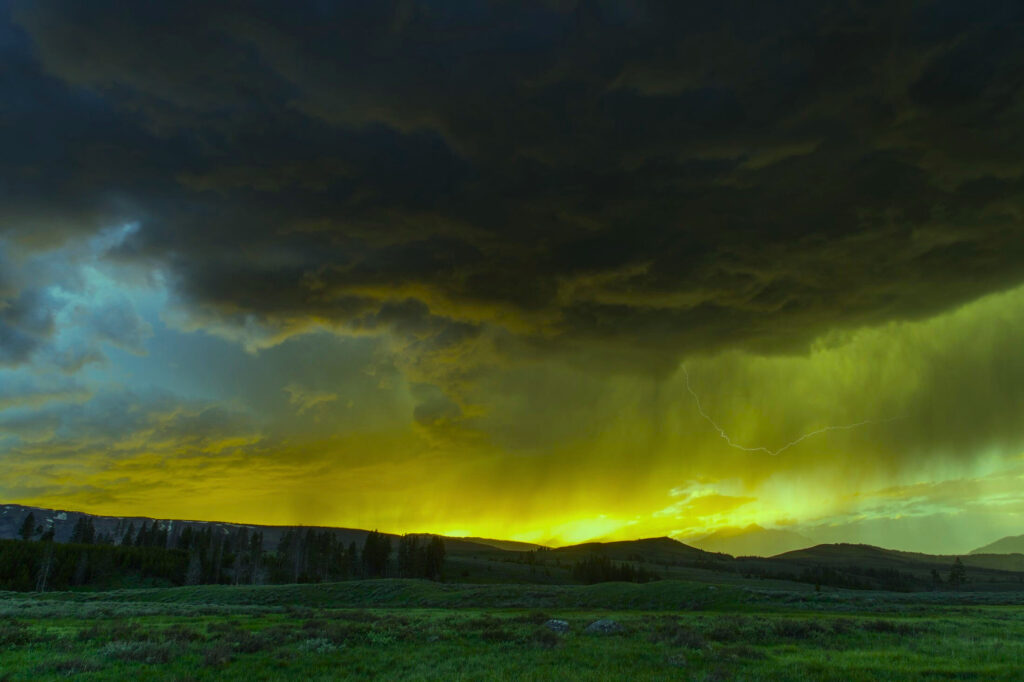
Over two decades on, meteorologists still examine records and testimonies, asking whether the violent weather pattern was a tornado or a microburst of extraordinary power. Those who studied the scene closely often insist the damage pattern strongly supports the tornado explanation.
6. Eyewitness Accounts of “Airplane” or “Train” Sounds
Those caught in the storm remember noises that chilled them before the winds arrived. Many said it sounded like a low-flying aircraft losing power or the rumble of a freight train closing in. Such descriptions align closely with the way tornadoes are often recognised.
7. A Strange, Blue Light
One nursing sister, waiting for her bus at 6 am, described a cloud that hung low in the sky with a pale blue glow. She compared the colour to flashing police lights and called the storm a heavy, sinister mass, pressing down like a wall of grey rain and wind.
8. Hail Grew Rapidly to Golf Ball to Tennis Ball Size
The Manenberg tornado’s fury was not confined to the wind. Eyewitnesses reported hail that grew almost instantly from tiny ice pellets to golf balls and then tennis balls. The speed of that growth showed the storm’s extraordinary strength.
9. A “Wall Cloud” and “Ice Cream Cone-Shaped Tail” Were Observed
Two sisters who lived through the storm said they watched a heavy cloud drop lower and lower until a narrow tail stretched down to the ground. They compared it to an ice-cream cone, thin at the bottom and wide at the top. To anyone familiar with storms, it sounded like the start of a tornado.
10. Green Skies and Cumulonimbus Mammatus Were Present
People who looked up that morning said the sky glowed green. The green colour is caused by a phenomenon called light scattering. This happens when sunlight passes through a severe thunderstorm with a high concentration of water droplets and ice crystals, particularly large hailstones.
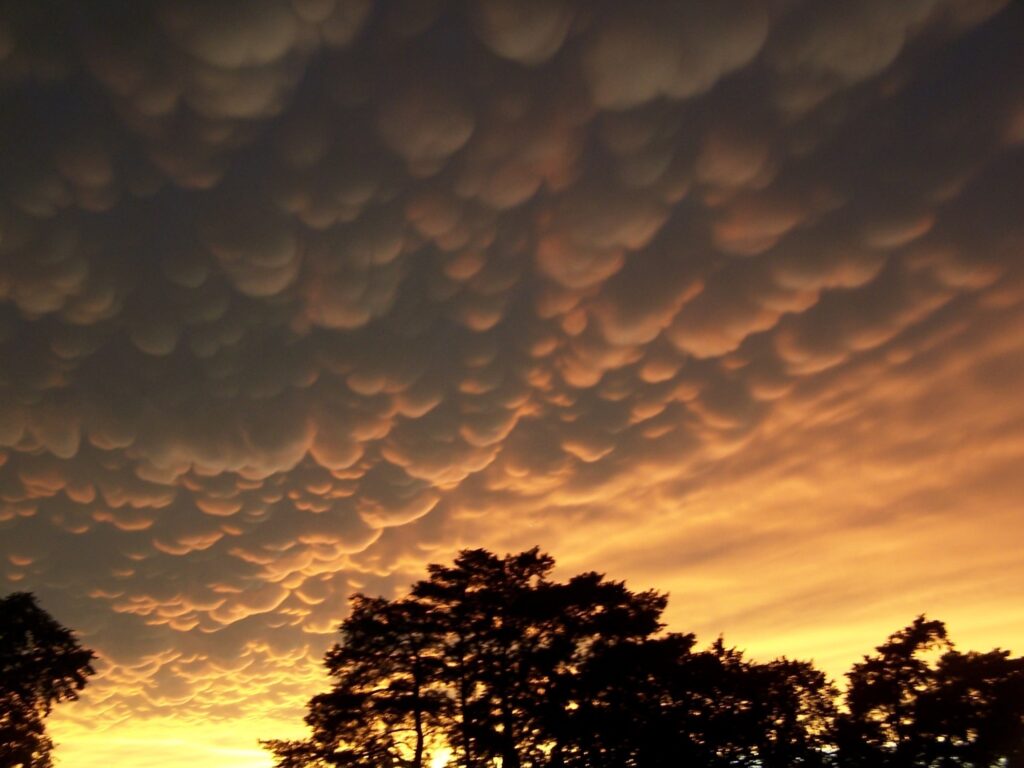
Alongside it hung mammatus clouds, strange, sagging shapes that look like pouches. They don’t always mean a tornado, but they usually arrive with violent storms.
11. Personal Accounts of a War Zone
A meteorology student walked the streets the next day and compared the scene of the Manenberg tornado to a war zone. Roofs torn away, cars tossed aside, trees ripped bare. It looked like the storm had clawed through every corner of this community.
12. A “Blessing in Disguise” for Some Survivors
Years later, survivors said that rebuilding pushed them in ways they never expected. The disaster forced them to start again, but in that process, they created stronger lives for their families. They carried heartbreak but also remarkable strength.
13. Alpha and Omega Flats
Alpha and Omega were two familiar blocks of flats. Families built lives there until the tornado levelled them. In time, a memorial wall was raised in the community, carrying the names of those who died.
14. Rare Phenomenon
The city rarely faces tornadoes. The storm shook people in ways that went beyond broken buildings, because it felt so out of place in Cape Town.
15. A Lack of Warning
Officials had no time to warn anyone. Families confronted destruction and loss almost instantly, trying to make sense of the damage and the sudden emptiness.
Sources:
The blessing and tragedy of the Manenberg tornado – IOL News
‘I saw terror twister hit Manenberg’ – IOL News
Angelo Ricardo Hoorn’s post on the Facebook group, Severe Weather and Information Centre

Author: Editorial Team
About The Author
