How to Stop Being a Naai: Mia Arderne Gives Bad Behaviour Its Own Book
How to Stop Being a Naai is available now for anyone ready to inspect their own nonsense.

There is something wonderfully Cape Town about seeing the word naai on a book cover.
It is probably the boldest title I’ve seen from a local author this year. The cover is equally brilliant. It has that rare quality where you see it once and remember it later.
I’m also writing the title in full because, well, why would I censor a book title?
Naai is a vulgar Afrikaans word for sex, but Cape Town has given it another meaning. Around here, calling someone a naai usually means they are being an absolute nuisance. It can describe someone rude, selfish, irritating or generally unpleasant.
In other words, we have a very useful word for people behaving badly.
Mia Arderne is hardly a stranger to giving local slang plenty of space. Her debut novel, Her Mermaid Fillet, brought magical realism into a distinctly South African setting. The book was also longlisted for the 2021 Sunday Times/CNA Literary Award.
Arderne’s writing has a sharp sense of humour too. Her characters speak with the kind of language you might hear around the Cape Flats, particularly when Kaaps enters the conversation. It gives her work a personality that feels distinctly local.
Her latest novel introduces Lucian, a forty-five-year-old DJ whose best days may exist mainly in his memory. His relationship is heading towards separation, while his job has become another source of misery. Those old nightclub days still have a strong hold on him.
Then Lucian has a rather uncomfortable realisation.
He might be a naai.
The problem gets even messier when he starts looking at his relationship with his father. He also has to reckon with his own choices and the damage they have caused. Suddenly, middle age has become a rather inconvenient time for self-reflection.
So what does Lucian do?
He creates a nine-step plan for becoming a better person.
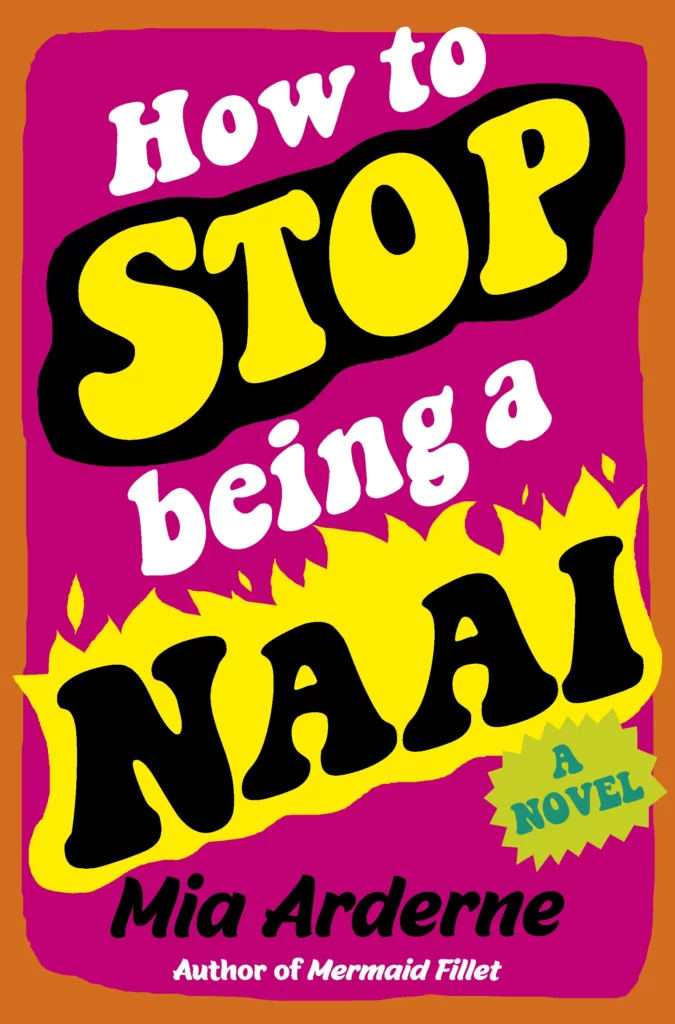
Naturally, this is Lucian we are talking about. His plan involves plenty of self-examination, questionable decisions and an impressive reluctance to seek professional help. Therapy exists somewhere in the background, but Lucian seems determined to investigate every other option first.
That is what makes How to Stop Being a Naai such an entertaining premise. Arderne takes the familiar idea of self-improvement and gives it to a man who probably should have started years ago.
Lucian’s nine steps take him from admitting his faults to figuring out what to do with them. His goal is hardly perfection. He is aiming for something slightly less destructive.
And honestly, that sounds far closer to real life.
Most people do not wake up one morning as completely reformed human beings. We make mistakes, annoy people, repeat bad habits and occasionally realise we might be the problem.
Lucian simply gets an entire novel to work through his issues.
There is family drama, relationship trouble and plenty of midlife chaos along the way. Arderne also brings the language and humour that made her debut so memorable.
The result is a book with a title that grabs your attention before you even open it. Once you do, you get a flawed protagonist trying to figure out whether being a naai is a permanent condition.
About The Author