Cape Town has lost plenty of nightclubs over the years, but closing the doors never quite ended their stories. Some venues were known for their DJs and packed dance floors, others for live music, and a few became part of the social lives of entire communities. People still remember the outfits, the queues, the songs that played on repeat, the friends they went with and the stories they brought home.
A Trip Back to Cape Town’s Long-Lost Nightclubs
The Assembly

The Assembly occupies a special place in the memories of people who followed Cape Town’s alternative music scene in the late 2000s and early 2010s. It opened on 12 December 2007 in a former warehouse at 61 Harrington Street, with an industrial interior that suited its mix of live music and club nights.
It wasn’t a venue that relied solely on DJs and dance music. The Assembly gave local bands and emerging artists a stage while also attracting established South African acts and international performers. Its programme crossed genres, bringing together people who might have discovered a new band one weekend and danced to electronic music the next.
The venue closed in August 2016 after nearly nine years. For the city’s independent music scene, it was a significant loss. It had become a recognisable address for album launches, gigs and nights out that revolved around the music rather than a conventional nightclub experience.
@tmospheer
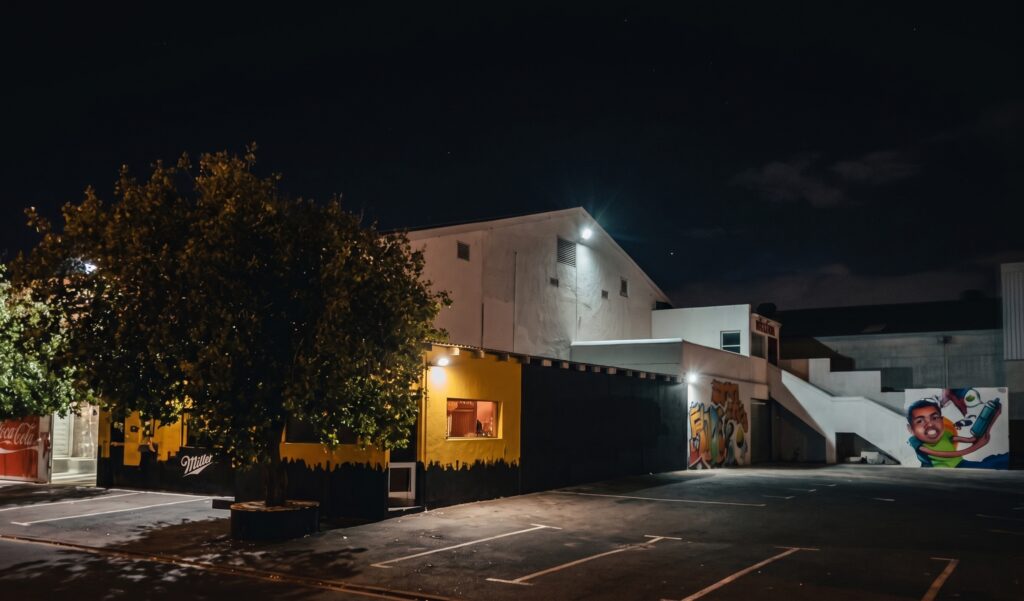
If you went clubbing in Lansdowne during the mid-2000s, @tmospheer, also spelt Atmospheer, may bring back a few memories. The club opened in December 2005 at the corner of Castor and Pollux streets and became a popular local party venue. It later underwent a major revamp, with plans for four bars, upgraded sound and lighting, and a capacity of up to 2,500 people. There was even a separate Cubar Lounge aimed at a more mature crowd.
Club Vibe
The Lansdowne venue organised marathon 12-hour parties and attracted loyal regulars who came to dance, meet friends and catch up with familiar faces. It also drew aspiring DJs who wanted to see DJ Fast Eddie, remembered for his mixing skills and influence on the local scene.
After nearly a decade of parties, Club Vibe closed in 2002. But that wasn’t quite the end. In 2012, it returned for a 12-hour reunion called Once Upon A Time. Former patrons came back, and the event also attracted younger people who had heard about the club from others.
Chrome
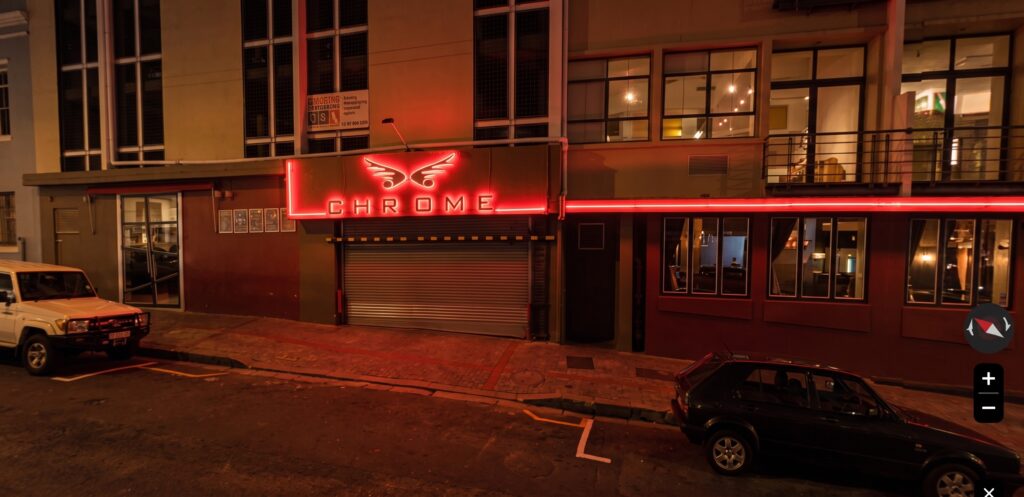
Chrome was a recognised name in Cape Town’s mainstream club scene. A Cape Town Day by Day guide listed it among the city’s leading mainstream nightclubs, with its location at 6 Pepper Street.
Chrome belongs to the era when going clubbing often meant committing to a whole evening out. You dressed for the occasion, arranged transport, met your friends and hoped the place would be busy. The DJ and music mattered, but so did the crowd and the chance of running into people you knew.
Hemisphere
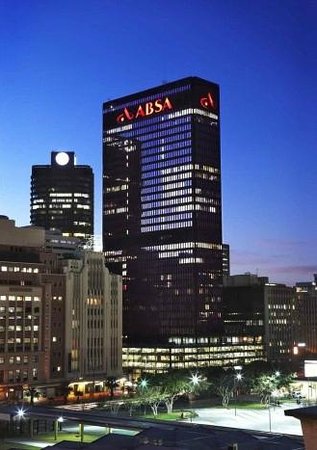
Hemisphere offered something most Cape Town clubs couldn’t: a night out on the 31st floor of the ABSA Centre. The view alone made it stand out, particularly for anyone who remembers Cape Town’s older city-centre nightlife. The club had a VIP area, stylish interiors and regular Thursday, Friday and Saturday parties. It even launched a SKYY Vodka lounge in 2009. Hemisphere eventually closed, taking with it one of the city’s more unusual clubbing locations.
Bronx

Located right in the heart of Green Point’s “Pink Strip,” Bronx wasn’t just a nightclub—it was an institution. It was ground zero for Cape Town’s LGBTQ+ nightlife for years, operating on a level of uninhibited energy that few other places could match. Open until the early hours of the morning (and well past them), it was famous for its late-late crowds, incredible DJs, and a dancefloor that never seemed to lose its momentum.
The Embassy

The Embassy was a nightclub with a reputation for being rather different from the average dance venue. Situated on Castle Street in the city centre, it attracted adventurous clubbers and had a distinctive layout that included mirrors, bedrooms and bathroom facilities. Its premises also became the subject of an auction in 2010, which brought renewed attention to the venue and its unusual setup.
Dockside

Dockside was a huge entertainment complex near Ratanga Junction in Century City. When it opened in late 1999, it was built on a scale that was unusual for Cape Town nightlife. It had several dance floors, bars, restaurants and sophisticated sound and lighting systems.
This wasn’t a small club where everybody knew the DJ. Dockside could accommodate around 5,000 people and was promoted as one of the biggest nightclubs in Africa. Different rooms catered to different musical tastes, from house and techno to 1970s and 1980s hits and live music.
Its history was turbulent. Financial difficulties led to its liquidation in 2001, but the complex reopened in August 2002 under new ownership. The new venue also hosted Big Brother eviction parties, connecting it to the reality television craze of the time.
By 2004, the owners were trying to shift the focus towards musical shows after attendance at the club had declined.
Hanover Street
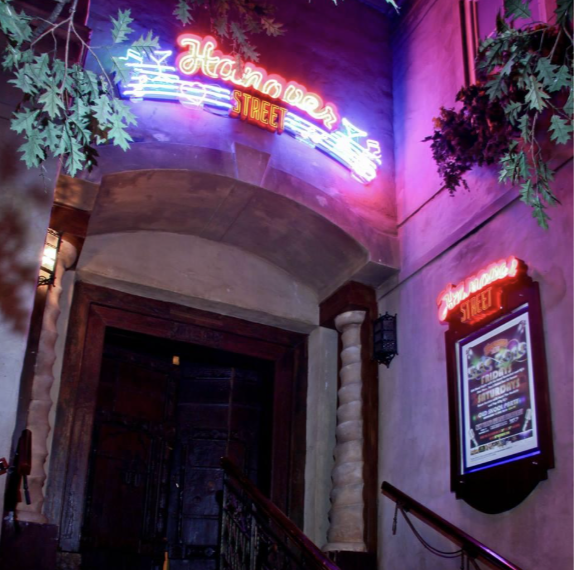
Situated inside GrandWest Casino, Hanover Street brought proper party culture to the Northern Suburbs crowd. It was huge, polished, and catered to anyone looking for a solid mix of Old School, R&B, dance, and live performance. It had a massive main floor, a wrapped balcony level looking down on the DJ, and was a staple for birthday celebrations and weekend blowouts.
Mercury Lounge
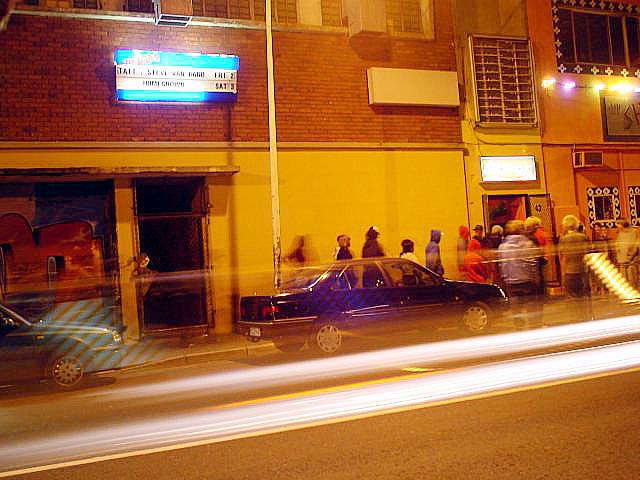
Mercury was the undisputed temple of live rock, punk, metal, and indie. It felt raw and unpretentious—sticky floors, loud amps, cheap beer, and a stage that hosted virtually every iconic South African band at some point in their career. Right next door (and spiritually linked) is The Shack, the ultimate pre-drink dive where you could play pool, sit on beat-up couches, and steel yourself before heading into the noise.
Club Deviate / Playground
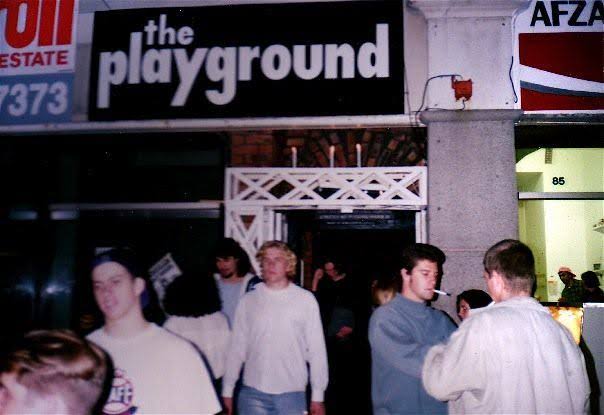
Whether you knew it as Deviate or later as Playground, this spot catered to those looking for a slightly darker, heavier, or more underground edge. It leaned hard into the bass, techno, and alternative electronic sounds, attracting a dedicated crowd that came purely to dance rather than stand around looking cool.
Club Montreal
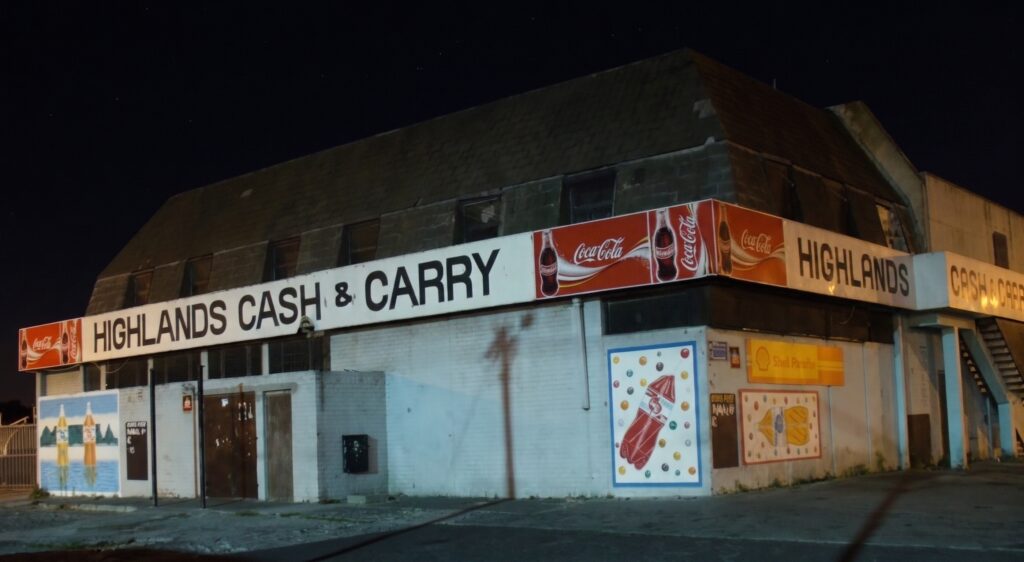
Going back further into Cape Town’s deep musical history, Club Montreal (formerly the Sherwood) in Manenberg was legendary. It wasn’t just a place to drink; it was a sanctuary for world-class musicians, jazz legends, and incredible local talent. The musical pedigree that flowed through Montreal helped define the soundtrack of the Cape Flats across the ’70s and ’80s.
Club Lennin
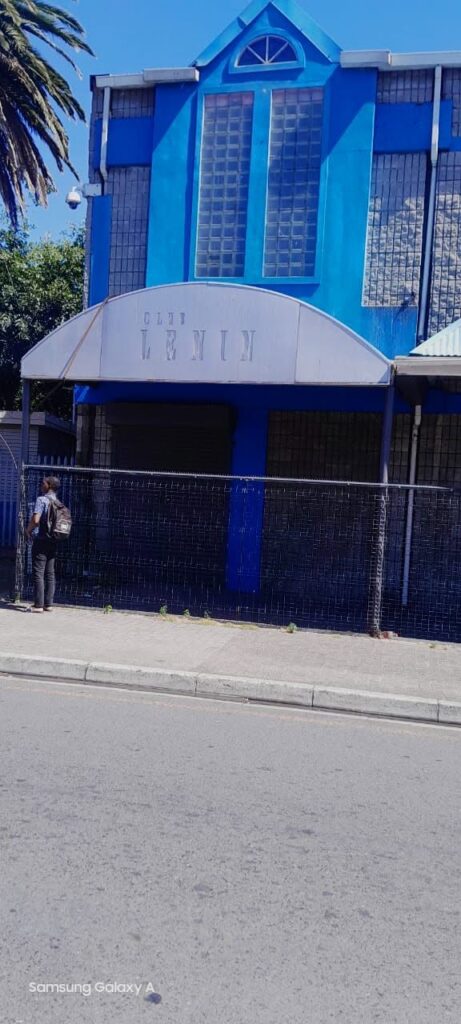
A cornerstone of Athlone‘s social history. Lennin was the place where people dressed up, stepped out, and danced to proper R&B, soul, and early house tracks. It had a tight-knit community feel where everyone knew everyone, and the music was always curated by DJs who genuinely knew how to build a floor.
Die Skip
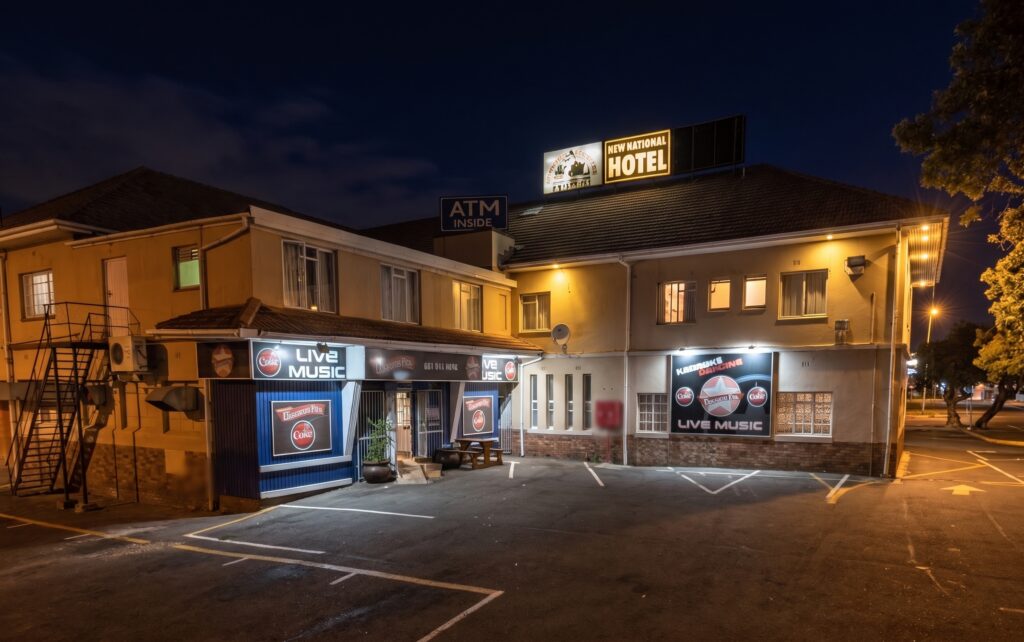
Die Skip was a laid-back bar in Parow with a live music/modest dancefloor and a gambling section.
Which of these clubs did you go to, and what do you remember most? If you have old photographs, flyers, DJ names or stories from nights out, those memories could help preserve a piece of Cape Town’s nightlife history for the next generation.
About The Author
