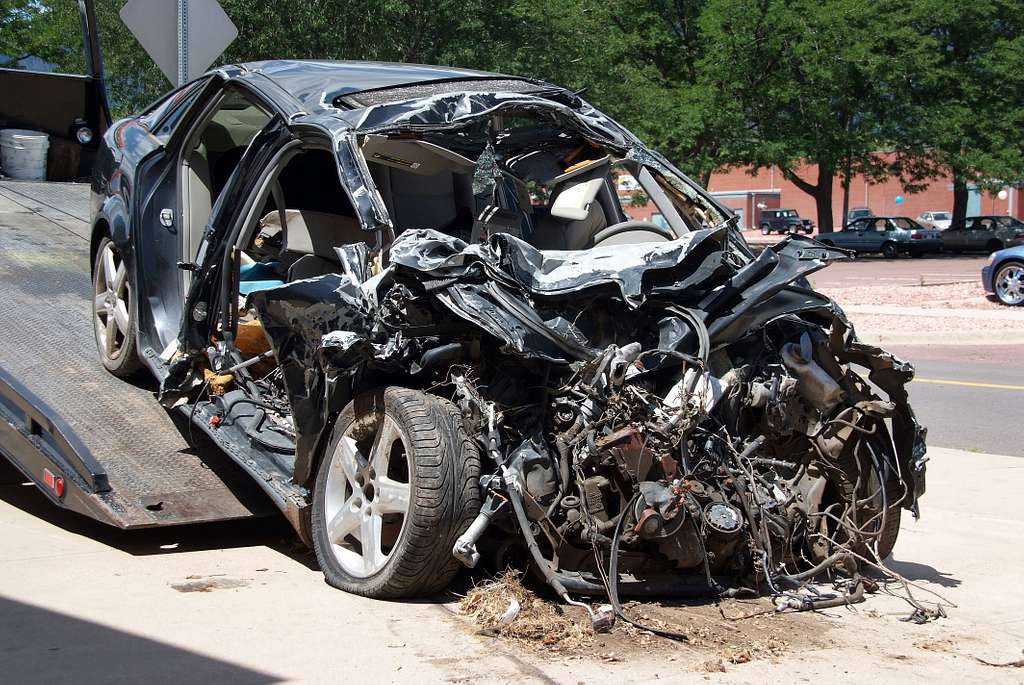
Last week, I came across a video I wish I had never seen. It was recorded moments after a car crash on Francie van Zijl Drive near Ravensmead. A bakkie had smashed into a tree. The video shows the young male driver, clearly lifeless, slumped behind the wheel. Next to him, a young girl – probably no older than 18 or 19 – gone too. It was graphic, heartbreaking, and shared like it was nothing. I found it in a Facebook group that reports crimes.
People in the comments were outraged. They called the group heartless. Some begged the admins to remove the video. But their pleas were dismissed. The response from the admin was “It’s already viral.” As if that makes it right.
This is where we are now. People whip out their phones before thinking. A crash, a fight, a fire – record first, feel later. In Australia, someone filmed a man getting torn apart by a shark. His torso floated in the water, and sites online posted the clip without even blurring it. It’s stomach-turning. But it was shared anyway. Watched again and again.
This is where we’ve landed. Something devastating happens and people’s first reaction is to hit record. Not to help. Not to call for help. To film. And then upload. It’s not even shock anymore—it’s routine. This urge to capture tragedy like it’s content is deeply disturbing. I remember seeing a clip from Australia where a man was attacked by a shark. Half his body was gone. You could see his torso floating in the water. No blur, no warning, no second thought. It was everywhere.
In South Africa, there’s no clear-cut law saying you can’t show the faces of people who’ve died in accidents. But our Constitution does protect people’s dignity and privacy. When someone dies, their personal rights stop. But their family still carries the pain. Seeing your child, sibling or friend shared online in that state, without your knowledge or permission, is a second kind of grief. It’s humiliating. It’s wrong.
By law, if you’re at an accident, you’re meant to help if you can. You’re allowed to take photos for police or insurance. But even then, you’re advised to do it from a distance. You don’t need to show faces. You definitely don’t need to post them.
Filming someone’s final moments and sharing it online is not brave. It’s not awareness. It’s cruelty disguised as concern. You might not know the person. But their family will recognise them. Their friends will see those videos. That pain doesn’t fade. And no number of views or likes makes up for the damage.
This obsession with showing everything has gone too far. These aren’t updates. These are people’s lives. And when those lives end, they deserve dignity—not exposure.
Stop recording and sharing the faces of deceased accident victims. Show some respect. Let their families grieve in peace. Let those lives be remembered with care, not clicks.

Author: Editorial Team
About The Author
