Cape Town’s 10 Most Devastating Natural Disasters
Cape Town’s history is full of events when nature reminded the city who was in charge. Here are some of the most impactful.

Cape Town is extraordinary. On any given morning, you can watch mist tumble over Table Mountain like a slow-motion waterfall, feel the Atlantic wind carry the smell of salt and fynbos across the Peninsula, and stand between two oceans at the edge of a continent. It is a city that takes your breath away, literally and figuratively.
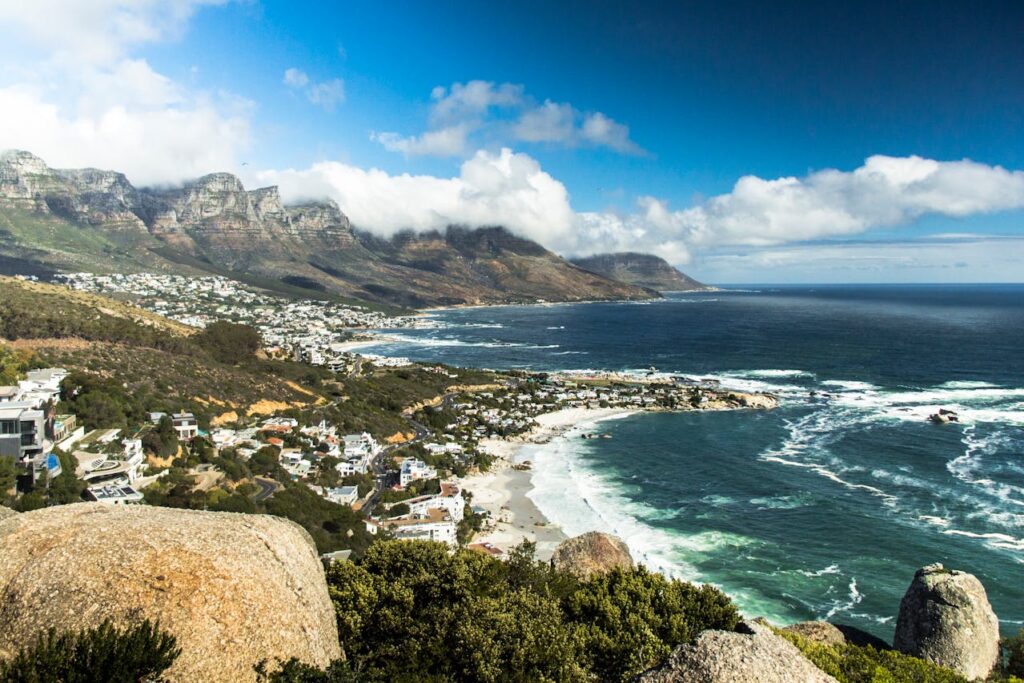
But that same raw, untamed power that makes Cape Town so unforgettable is also what makes her so dangerous.
Last week, Capetonians were reminded of that in the most brutal way. Over Sunday, Monday and Tuesday, a vicious cold front tore through the metro, sending floodwaters surging into roads and homes, ripping roofs clean off houses, and swamping informal settlements.
Thousands of households were left without electricity. Ten people died across the Western Cape. A tree crushed a car in Kenilworth, killing the occupant. Another person lost their life when a tree came down in Genadendal. A person drowned in Klaarstroom. These were not statistics. They were people.
Cape Town is breathtakingly beautiful. It is also a city that sits at the intersection of two oceans, beneath a mountain that generates its own weather system, on a peninsula notorious for wind that bends century-old trees sideways.
We cannot stop what the natural world has planned for us. What we can do is take official warnings seriously, stay indoors when authorities say to, and be prepared. Because as history has shown us, Cape Town has been here before.
RELATED POST
1773: Wolraad Woltemade, His Horse, and a Sinking Ship
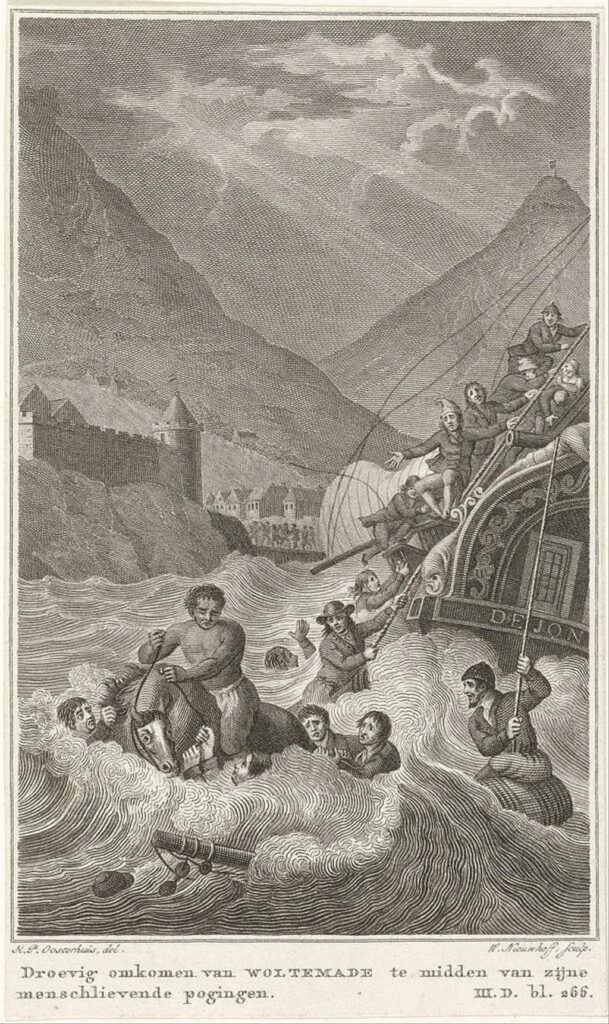
On the first day of June 1773, the start of winter in the southern hemisphere, a gale force wind slammed into Table Bay with enough force to drive a Dutch sailing vessel called De Jonge Thomas onto a sandbar at the mouth of the Salt River. The ship began to break apart. Survivors clung to the hull as the hull itself disintegrated beneath them. The shore was visible, agonisingly close, but the water was freezing and the Salt River current was merciless. Most of those who attempted to swim for it never made it.
A Cape Dutch dairy farmer named Wolraad Woltemade had ridden out from his farm that morning to bring provisions to his son, Corporal Christian Ludwig Woltemade, who was among the soldiers keeping order on the shore.
What Wolraad found when he arrived was a beach lined with spectators, soldiers, would-be looters, and the wrecked remains of a ship full of desperate men. He rode his horse into the surf again and again, pulling survivors to safety each time.
By the time the sea finally took both man and horse on his last attempt, he had saved the lives of eight sailors. He became one of South Africa’s most celebrated heroes, a man remembered not for rank or title, but for the decision to ride back in one more time.
1809–1811: The Earth Splits Open Beneath Cape Town

Most people are surprised to learn that Cape Town sits on a geological fault line. On 4 December 1809, an earthquake measuring 6.5 on the Richter scale struck Cape Town, the largest ever recorded in the area, caused by the Milnerton Fault.
The event occurred late on a Monday night. People woke up and ran into the open, fearing it was the end of the world. A farmhouse at a place called Jan Biesjes Kraal, roughly where the Royal Ascot housing estate in Milnerton stands today, was completely destroyed. A visiting naturalist who inspected the site days later found deep fissures in the ground stretching for about 2 kilometres. Aftershocks continued throughout December, and two more significant earthquakes struck in June 1811.
Geologists consider the Milnerton Fault a significant seismic hazard for Cape Town. Historical evidence suggests the fault may be capable of producing magnitude 6 or greater earthquakes, and parts of the Cape Flats lie near or above the fault zone. However, scientists cannot predict when such an earthquake might occur.
Koeberg nuclear power station, South Africa’s only nuclear plant, lies just 8 kilometres offshore from the fault line. It was built on special seismic foundations designed to withstand a magnitude 7 quake, but most schools and public buildings in the vicinity have no such protection.
1865: The Great Gale and the Night the Bay Became a Graveyard
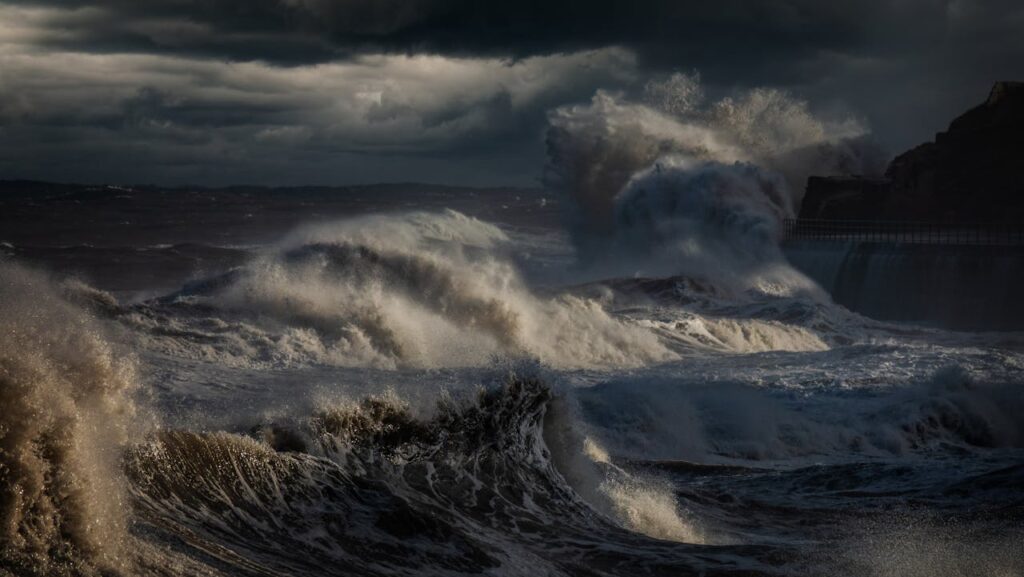
May of 1865 began deceptively well. A warm, calm spell settled over Table Bay, and the ships anchored there had no reason to expect what was coming. Then the barometer dropped. The wind swung north-west. And within hours, Table Bay had become one of the most dangerous stretches of water in the world.
For around 18 hours, the nor’wester tore through the bay. Anchors dragged. Masts snapped. Ships were flung onto the shore like toys. By the time the storm passed, some 17 ships, 30 cutters and countless smaller vessels had been wrecked or stranded along the coastline, and around 60 people had lost their lives.
Among the last ships to succumb was the RMS Athens, an iron steam vessel on the Royal Mail route between Southampton and Cape Town. Her captain signalled at dusk that his final anchor had failed. He tried to run for open sea. The ship never made it around Mouille Point.
By morning, the captain and all 29 crew members were dead. The sole survivor, according to the story passed down through generations, was a pig that swam ashore. Today, a piece of the Athens engine block still lies offshore, visible from the far end of the Sea Point Promenade. It is the kind of history Cape Town carries quietly, right there beneath the surface.
1904: The City Streets Become Rivers
June 1904 brought the first major urban flooding disaster in the city’s recorded history. Over two nights, on 23 and 25 June, rain poured off Table Mountain with a force that overwhelmed every drain and canal the city possessed. St George’s Street and Church Street were submerged. Water rushed into offices and shops, and shopkeepers watched their stock float past them in brown, swirling currents.
Garlick’s department store suffered damages reported at over £6,000, a staggering sum at the time. In parts of the city centre, water reached waist-deep. Train stations disappeared beneath the flood. Adderley Street, Mill Street, Hope Street and Buitenkant Street were effectively rivers. The mountain that overlooks this city is not only a backdrop. When it receives enough rain, it sends that water straight down into the streets below.
1999: A Tornado Tears Through Manenberg
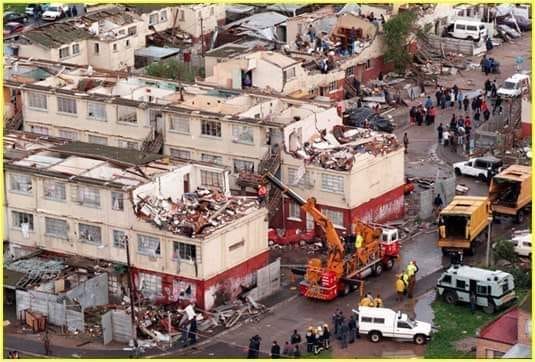
The 1999 Manenberg tornado was a rare tornado that occurred in Cape Town on the night of 29 August 1999. The tornado swept through a one kilometre path through the city, starting on the Atlantic seaboard and moving east, first over Devil’s Peak, then through the neighbourhoods of Mowbray, Claremont, Manenberg, Surrey Estate, Guguletu, ending at Mitchells Plain, reaching its peak strength over Manenberg. Wind speeds were recorded at over 150 km per hour.
In the space of a few minutes, five lives were lost, among them a baby, and around 220 people were injured as the tornado roared past. Over 5,000 people were suddenly homeless. Forty blocks of flats had been gutted completely, leaving nothing but the bare bones of concrete walls.
Roof materials were blown as far as Cape Town International Airport, where they landed on the runway. In Duinefontein Road, the wind wrapped corrugated-iron roof sheets around street poles as if they were tinfoil. What made it worse was that Manenberg, a community already dealing with decades of neglect and poverty, had no time to prepare. A bloodied red sky and a loud bang is what residents recall, some believing it was the apocalypse. A memorial wall was later built in the community’s local park, now called Tornado Park, carrying the names of those who died.
2000: The MV Treasure Oil Spill and the Penguin Crisis
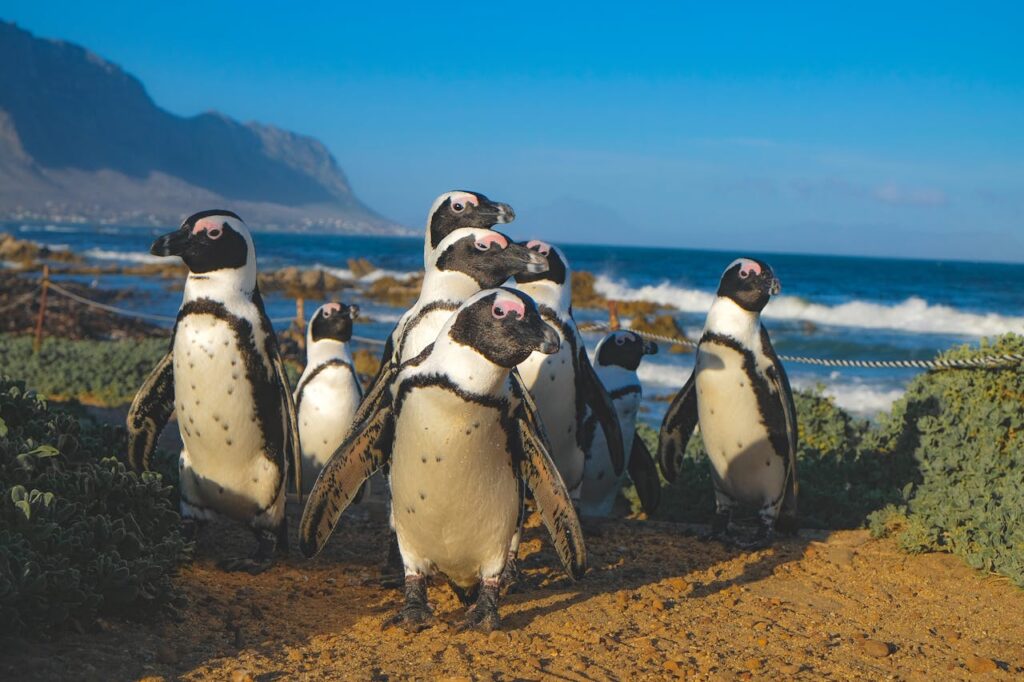
On 23 June 2000, the MV Treasure sank six miles off the coast of South Africa while transporting iron ore from China to Brazil. The ship was carrying an estimated 1,300 tons of fuel oil, some of which spilled into the ocean, threatening the African penguin populations living on nearby islands.
About 400 toxic tons of bunker oil was released into the ocean in an area that hosts the world’s third-largest African penguin colony. At the time, only 100,000 African penguins existed. The oil coated their feathers, destroying the insulation that keeps them alive in cold Atlantic waters. Within ten days of the spill, 20,251 oiled African penguins had been admitted into the rehabilitation centre in Cape Town.
The 12-week rehabilitation process required over 130 international team members supervising over 45,000 volunteers, 400 tons of fish to feed the penguins, and 302 containers of detergent to wash the oil off their feathers. Ninety percent of the oiled birds were rehabilitated and released.
It was the largest wildlife rescue operation in history at the time. People arrived at the Salt River rehabilitation centre with bags of used toothbrushes. Women in Australia knitted tiny jackets to keep the birds warm. Ferries that usually carried tourists to Robben Island transported boxes of penguins instead. It was one of those moments when Cape Town showed the world what collective effort looks like.
2017: The Cape Storm
In June 2017, a violent storm system struck the Western Cape with winds that topped 100 km/h and waves that hammered the coastline with exceptional force. The storm cut power to hundreds of thousands of homes, damaged infrastructure across the peninsula, and sent seawater surging over coastal roads. Fishermen were swept off rocks and several people lost their lives. The storm was described as one of the worst to hit the city in decades and prompted widespread calls for the city to take its infrastructure’s exposure to extreme weather events more seriously.
2018: Day Zero and the Taps Almost Running Dry
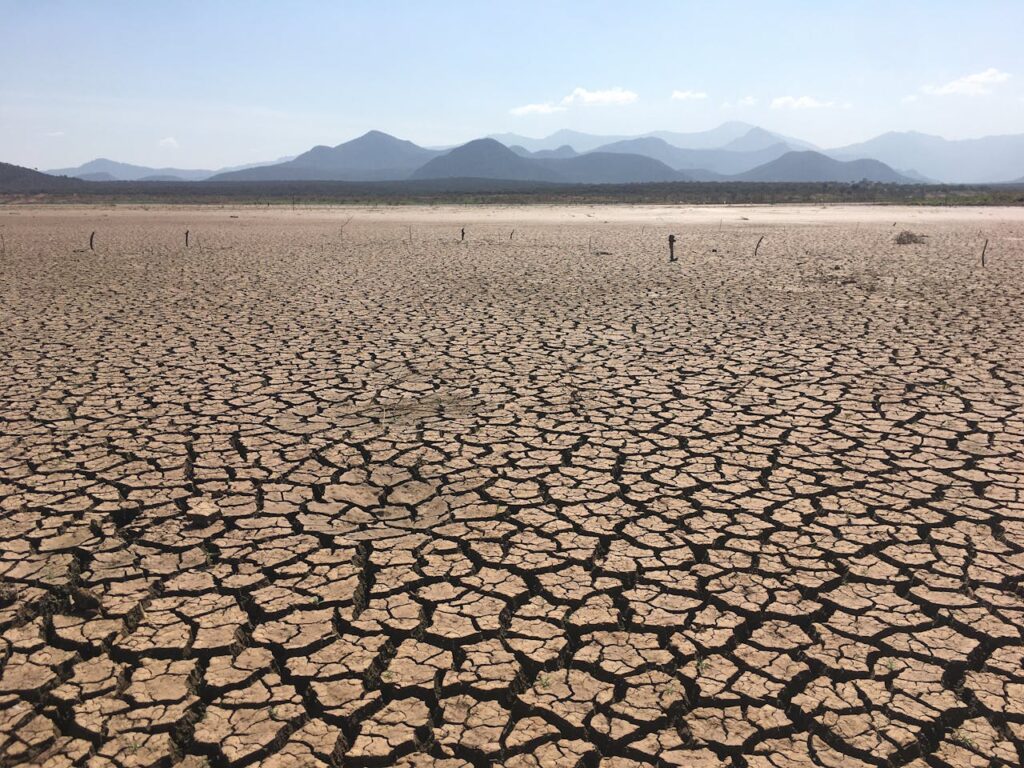
Cape Town came within weeks of becoming the first major city in the modern era to run out of municipal water. After three consecutive years of below-average rainfall, dam levels dropped to critically low levels. At the height of the crisis, residents were restricted to 50 litres of water per person per day, water queues formed across the city, and authorities announced a date, known as Day Zero, when taps would be turned off entirely and residents would be required to collect water from distribution points.
The crisis forced a fundamental change in how Capetonians related to water. Residents reduced consumption dramatically enough to push Day Zero back and eventually avoid it altogether. It was a slow-moving disaster rather than a sudden one, but its effects on daily life were just as disruptive, and its warning about the long-term consequences of climate change for a water-scarce city has not faded.
2021: Table Mountain Burns
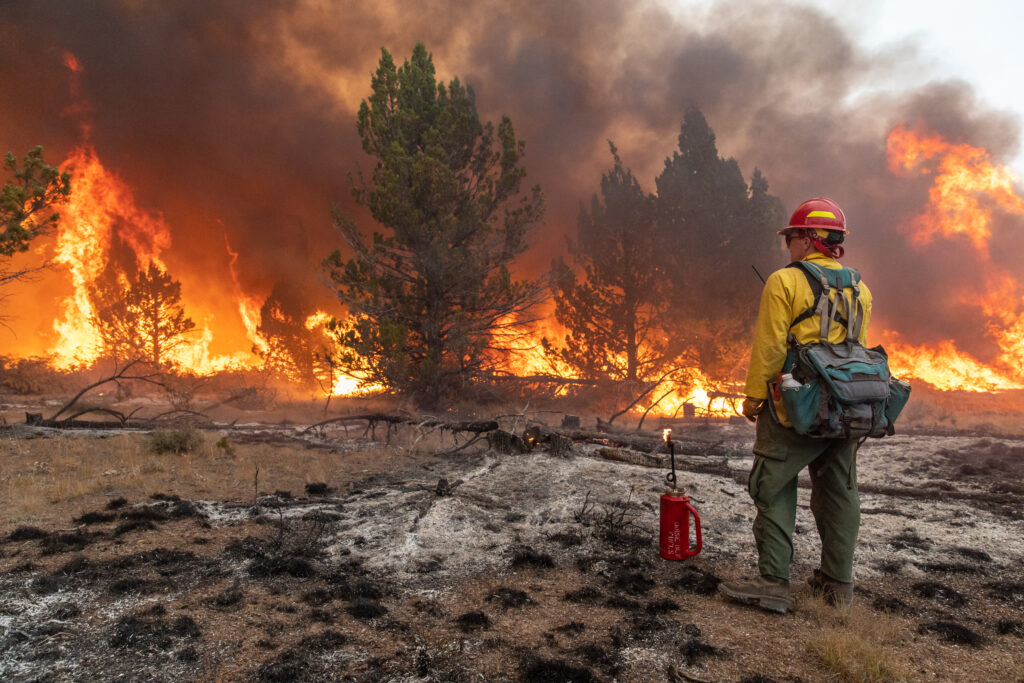
In April 2021, a fire broke out on the slopes of Table Mountain and spread rapidly, driven by strong south-easterly winds. The University of Cape Town’s Jagger Library, one of the oldest and most significant research libraries on the continent, was gutted, and priceless archival material was lost. Rare plant species in the World Heritage Site fynbos were destroyed, and the fire burned for days before it was brought under control.
Fires on the mountain are a natural part of the fynbos ecosystem; the vegetation is adapted to burn and recover. But the scale and intensity of this fire, and the destruction it caused in heritage terms, shook the city deeply. The mountain standing watch over Cape Town is not just a backdrop. It is alive, it breathes, and occasionally it burns.
2023: Deadly Floods Devestate the Western Cape
On 24–25 September 2023, severe flooding struck South Africa’s Western Cape province following heavy rainfall, killing at least 11 people, closing over 200 roads, and leaving more than 80,000 residents without electricity. Stellenbosch received 193mm of rain and Cape Town 143mm over the two-day period.
Eight of the fatalities, including four children, were electrocuted when floodwaters damaged electrical connections in informal settlements, while three others drowned after being swept away. One person remained missing after being washed off a bridge in Kleinmond.
The Western Cape Government estimated agricultural damage at R1.4 billion (approximately US$74.5 million). The disaster also disrupted public events, with the Rocking the Daisies festival postponed and the Hermanus Whale Festival cancelled due to damaged water infrastructure.
About The Author