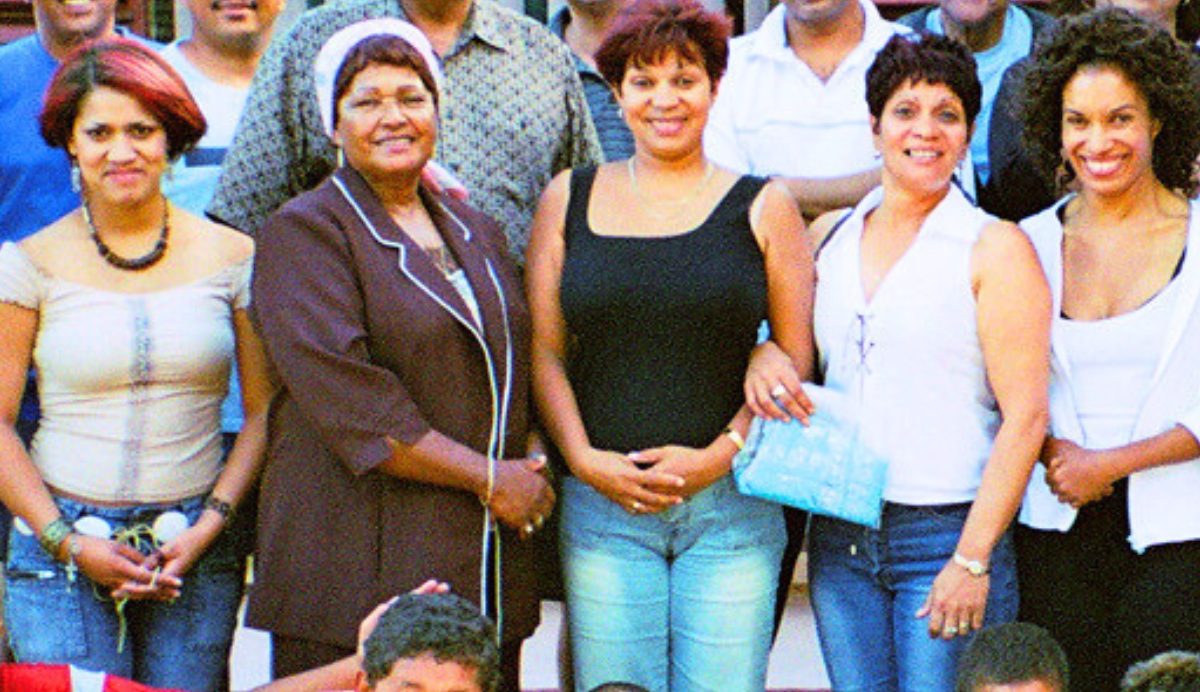
The history of Coloured people in the Cape reaches back centuries before South Africa became a democracy. It includes indigenous communities who lived on this land for generations, enslaved people brought across the Indian Ocean, European settlers and families whose descendants developed a distinct cultural identity. Colonial rule and apartheid profoundly affected their lives, yet their contributions to the Western Cape remain central to its language, food, music and heritage.
Understanding this history means looking beyond racial labels. It means examining how a community emerged under colonial rule, how successive governments treated its people and why questions of identity and recognition remain important today.
Before 1652 the Cape Belonged to the Khoisan
Long before Dutch ships reached Table Bay, the Cape was home to Khoisan peoples. The San lived through hunting and gathering, while the Khoikhoi raised livestock and maintained pastoral communities. Both groups possessed their own languages, customs, knowledge systems and relationships with the land.
Their lives changed dramatically after the Dutch East India Company established a refreshment station at the Cape in 1652. What began as a supply station for passing ships developed into a colonial settlement. European expansion brought land seizures, livestock theft, conflict and diseases that devastated indigenous populations.
Some Khoikhoi people entered the colonial labour system as servants and workers. Others resisted Dutch control or moved away from areas claimed by settlers. Relationships between European men and Khoikhoi women also contributed to the ancestry of later Coloured communities. These unions varied in circumstance and included coercion and sexual violence.
The history of Coloured people therefore cannot be understood through colonial records alone. Indigenous Cape societies existed long before European rule, and their descendants remain part of the region’s cultural and historical identity.
Slavery Brought People From Across the Indian Ocean
The colonial settlement required labour for farming, domestic service, construction and other work. The Dutch authorities and settlers turned to slavery, with enslaved people arriving at the Cape from the seventeenth century onwards.
Many came from present-day Indonesia and other parts of Southeast Asia. Others were taken from India, Sri Lanka, Madagascar and East Africa. They brought languages, religious beliefs, cooking traditions and knowledge that influenced life at the Cape.
Enslaved people lived under harsh conditions. Families could be separated through sale, and punishment was common. Their descendants also formed relationships with Khoisan people, European settlers and other enslaved communities. Over generations, these connections contributed to the ancestry of many Coloured families.
The Cape Malay community developed a particularly distinctive cultural heritage, with Islam, religious scholarship, community institutions and food traditions playing an important role. The term Cape Malay has historical associations with Southeast Asian ancestry, although the community includes people with varied backgrounds.
British rule brought the formal abolition of slavery in the Cape Colony in 1834. A compulsory apprenticeship period followed, ending in 1838. Freedom from legal enslavement offered a new status, yet many formerly enslaved people lacked land, wealth and economic independence. Former slaves and dispossessed Khoisan people continued to face difficult working and living conditions.
The Growth of a Distinct Cape Identity
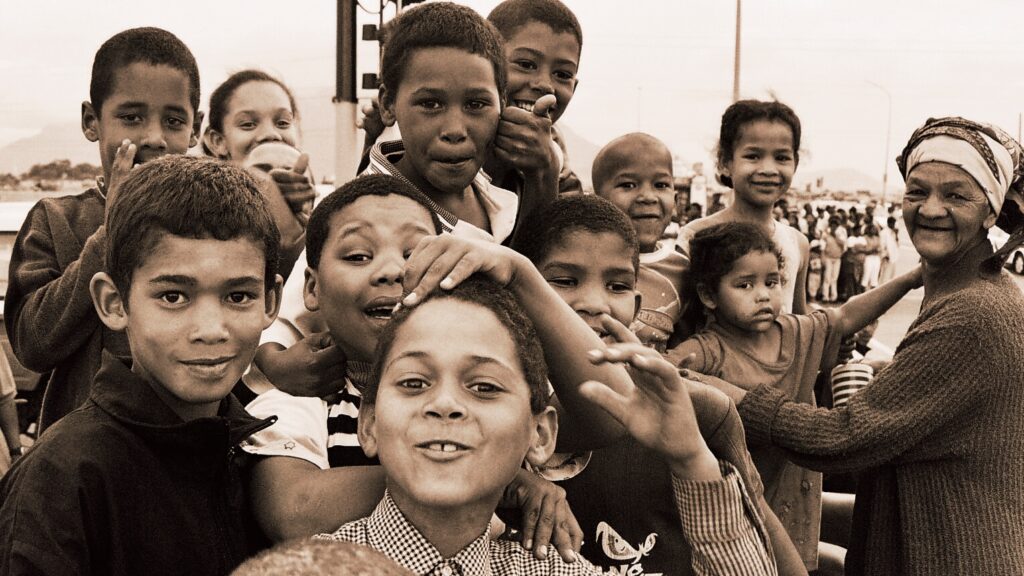
During the nineteenth century, descendants of indigenous communities, enslaved people and settlers developed shared social and cultural ties. The label Coloured was already in use, although the people placed under it had varied ancestry, religious beliefs, languages and experiences.
Afrikaans developed from Dutch colonial speech through contact among people who spoke different languages. Khoisan languages and the languages of enslaved communities contributed to this development. The result became the home language of many Coloured families, alongside English and other languages.
Food also reflects this history. Dishes such as bredie, denningvleis, bobotie and koesisters are associated with Cape cooking traditions, although their histories and cultural associations differ. Music, religious celebrations, family gatherings and neighbourhood customs also contributed to community life.
Cape Town’s Coloured population included Muslims, Christians and people with other beliefs. Some families maintained close links to particular neighbourhoods and cultural institutions, while others developed their own traditions across the Western Cape.
During the nineteenth century, some Coloured men who met property and other qualifications could vote in the Cape Colony. These limited political rights distinguished the Cape’s system from other colonial arrangements, yet racial prejudice and economic inequality remained widespread.
Apartheid Turned Racial Identity Into Law
When the National Party came to power in 1948, racial segregation became official government policy under apartheid. The Population Registration Act of 1950 required people to be classified by race. The Coloured category included communities with differing ancestry and cultural backgrounds.
The state used these classifications to determine where people could live, which schools they could attend and what opportunities they could access. The Group Areas Act of 1950 enabled the government to reserve residential areas for particular racial groups.
Across Cape Town, families were removed from neighbourhoods where generations had lived. District Six became one of the best-known examples. After its designation as a white area in 1966, thousands of residents were displaced. Many were sent to the Cape Flats, far from established workplaces, schools, relatives and community networks.
Forced removals destroyed homes and disrupted social ties. Families lost access to familiar streets, businesses and local institutions. The consequences extended beyond the immediate loss of property, with many communities facing long journeys to work and limited access to economic opportunities.
Political rights also came under attack. In 1956, Coloured voters in the Cape Province were removed from the common voters’ roll following years of government efforts to dismantle their voting rights. The separate representation arrangements introduced by the state failed to offer equal political power.
Although apartheid authorities classified Coloured people separately from Black African people, this did little to protect them from racial oppression. They faced inferior public services, discrimination and restrictions on their rights. Many Coloured activists, workers, students and community organisations opposed apartheid and took part in the wider liberation struggle.
Life on the Cape Flats After Forced Removals
The Cape Flats became home to families displaced from District Six, the Bo-Kaap and other parts of Cape Town. Areas such as Hanover Park, Manenberg, Mitchells Plain and Bonteheuwel developed under the pressures of apartheid-era planning and unequal investment.
Residents built new communities despite the difficulties created by displacement. Families established businesses, religious institutions, sports clubs, cultural groups and local organisations. Music and the arts offered important outlets for expression, while community leaders worked to address housing, education and social needs.
The effects of apartheid remain visible in the region. Poverty, unemployment, unequal educational opportunities and gang violence continue to affect many communities. These problems have several causes, yet forced removals, spatial segregation and unequal access to resources form an important part of the historical background.
It is equally important to recognise the achievements of people from the Cape Flats. Writers, musicians, educators, entrepreneurs, activists and sportspeople have contributed to South African public life. Their work reflects a community with a rich cultural heritage and a long record of achievement despite serious social and economic barriers.
1994 and the Question of Identity
South Africa’s first democratic election in 1994 ended apartheid rule and established equal voting rights for adult citizens. The new constitutional order rejected the old system of legally enforced racial classification as a basis for citizenship and rights.
However, the term Coloured remained in everyday use and continued to appear in official demographic data. For many people, it describes a shared heritage, family history and cultural identity. Others regard it as a label imposed by colonialism and apartheid, rather than a name that adequately represents their ancestry.
Khoisan identity adds another important dimension to these discussions. Some descendants of indigenous Cape communities seek greater recognition of their distinct heritage and historical claims. Their concerns reflect the fact that a single racial category can encompass people with very different family histories.
Political representation has also remained an important issue in the Western Cape. Coloured voters hold varied political views and support different parties. Their concerns include employment, housing, education, crime and the distribution of public resources.
There is no single opinion that represents every Coloured person. Personal identity can reflect family ancestry, language, religion, local culture and individual choice. These differences deserve recognition alongside the shared experiences that connect many Cape communities.
About The Author
