These 11 Old Cape Town Photos Will Stay in Your Head All Day
If these old Cape Town photos could talk, they’d have stories to tell.

Facebook/ Cape Historical Society
Cape Town has been through a lot, but it’s not always easy to picture what life used to be like. It’s one thing to hear about how the city used to be; it’s another to actually see it.
These old Cape Town photos give you a peek into the past at the way things looked, how people lived, and the struggles we faced. They tell stories of change — sometimes hard to look at, sometimes hard to believe. Familiar places look unfamiliar, and life seems worlds apart from what it is today.
Whether you’re interested in history or just want to understand the city better, these photos tell stories that words can’t fully explain. Curious to see them for yourself? Keep reading to explore the pictures and the stories that go with them.
RELATED POSTS:
- Up You, Cape Town! But Let’s Stop Being So Judgerag
- A.I turned Cape Town Into Fake Town With Kak Funny Pictures
If you love what you see, show some love back! Follow our Facebook page to stay updated with our latest content.

What You’ll See In These Old Cape Town Photos:
- Spes Bona High’s Standard 8 class Of 1966
- Life on Lion Street in Bo-Kaap
- The Early Flower Sellers of Adderley Street
- Front Page News Of The Cape Argus On 11 February 1966
- The Original Look of Black Label Beer
- The British Bioscope in District Six
- The Early Days of Golden Arrow Buses
- Children Playing in the Rubble of District Six
- The Night a Tornado Ripped Through Manenberg
- Mitchells Plain Town Centre in 1982
- Ashley Kriel’s Funeral
- Athlone Stadium Before It Stood Tall
This snapshot showing Spes Bona High’s Standard 8 class Of 1966
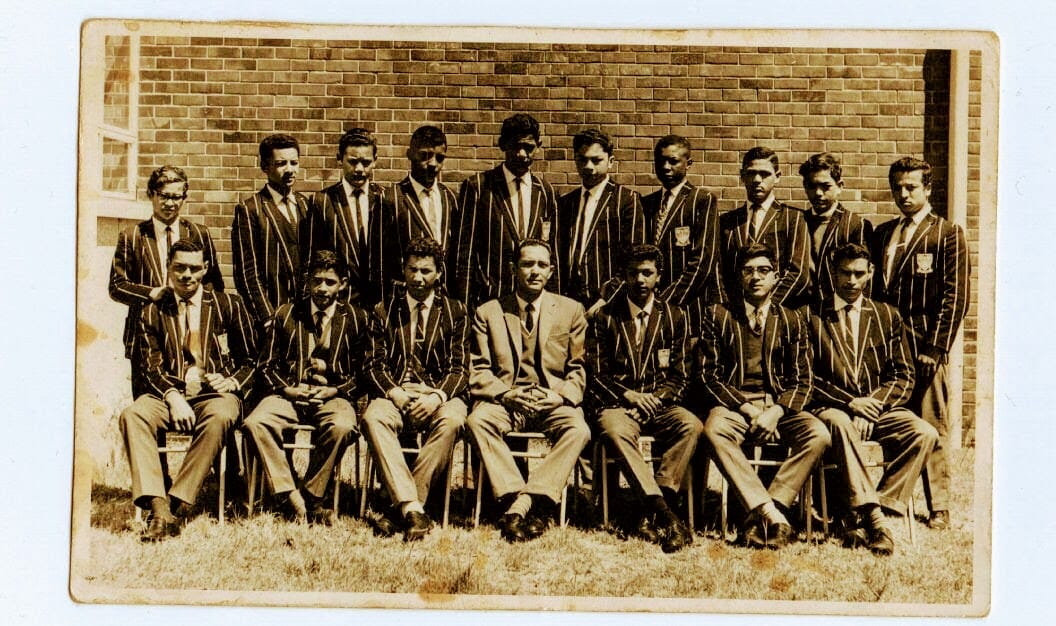
This photo from 1966 shows the Standard 8 class of Spes Bona High in Athlone. It’s hard to believe, but today’s pupils still wear blazers that look just like these. Some things really do stand the test of time.
Life on Lion Street in Bo-Kaap

Bo-Kaap in the 1970s had a familiar rhythm. Children played freely in the streets, kicking around a ball or racing each other on the uneven cobbles. Neighbours lounged on their stoops, chatting about the day’s events while the smell of home-cooked curries probably drifted through the air. A photo from 1975 shows a quiet moment on Lion Street. Like that one meme says: Not a single phone in sight. Just people living in the moment.
The Early Flower Sellers of Adderley Street

There’s something timeless about the sight of flower sellers on Adderley Street. Since the 1940s, these vendors have been a part of the city’s heartbeat, brightening the busiest street with bursts of colour.
Front Page News Of The Cape Argus On 11 February 1966
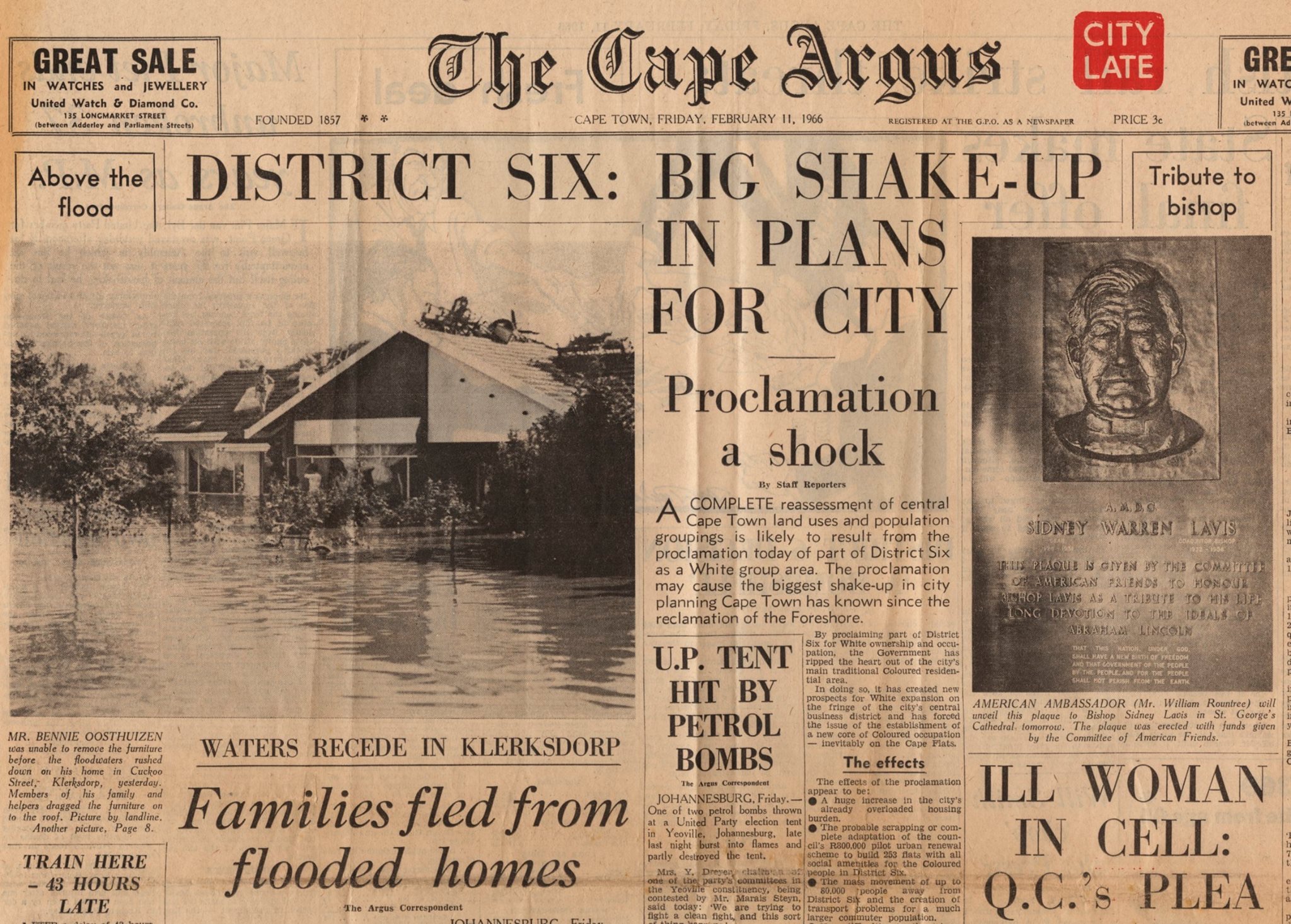
A headline announcing District Six, a neighbourhood thick with life and history, no longer belonged to those who had built it. The government’s decree turned homes into targets, communities into statistics. In the months and years that followed, front doors were locked for the last time, suitcases packed with only what could be carried. Entire histories left behind, bulldozed into dust.
The Original Look of Black Label Beer
Before Black Label became the beer of backyard braais and corner taverns, it looked a little different. The red-and-black label was already there, but the bottles—what we call “dumpies”
are relics of another time, when beer was poured from thick brown glass and had a weight that modern cans lack. In the second photo, two gentlemen from 1972 District Six pose with a bottle.
The British Bioscope in District Six
In the 1920s, when going to the movies still carried a sense of occasion, the British Bioscope was the place to be. Built in the heart of District Six, it became the city’s first theatre to show talking films in 1932. Crowds gathered on Caledon Street, eager for the magic of moving pictures with voices that spoke back. But like so much of District Six, the theatre’s days were numbered. When the apartheid government erased the neighbourhood, the Bioscope went with it—another piece of history buried under concrete and forced removals.
The Early Days of Golden Arrow Buses
Before diesel engines rumbled through Cape Town, public transport moved at the pace of a horse’s stride. In 1863, the first Golden Arrow services took shape as horse-drawn trams, carrying passengers along routes that would one day be paved with asphalt and lined with traffic. By 1894, electricity replaced horse-power, and over the years, the service transformed into the fleet that moves thousands daily.
The Aftermath of The Manenberg Tornado of 1999
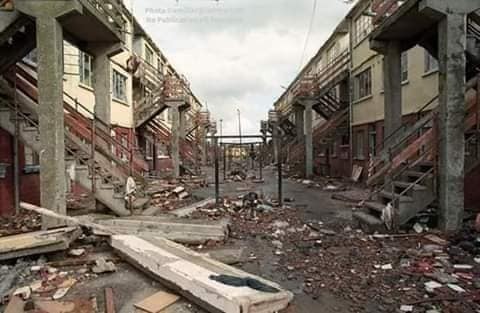
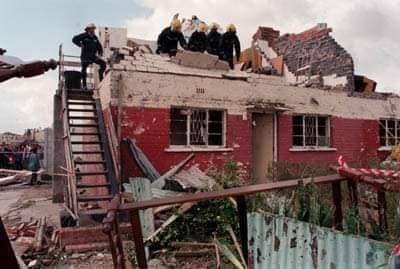
Cape Town does not expect tornadoes. But on the night of 29 August 1999, the wind howled through Manenberg with a force that no one could have anticipated. Roofs peeled away like paper, walls collapsed in on themselves, and the sky roared as though the city had angered something ancient. When the winds died down, five lives had been lost, hundreds lay injured, and thousands had no homes to return to.
Mitchells Plain Town Centre in 1982
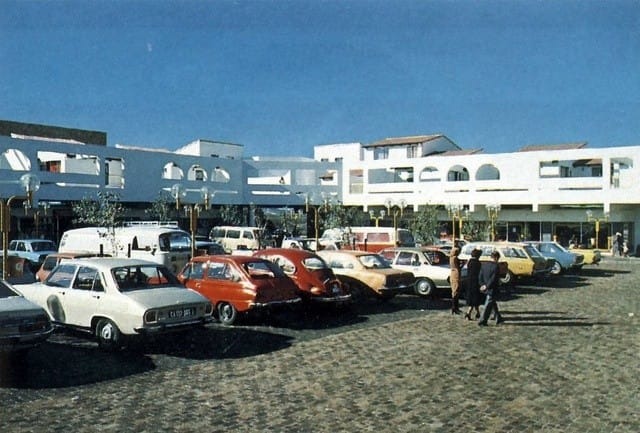
An old photograph of Mitchells Plain Town Centre in 1982 paints a picture unfamiliar to those who visit it today. The pavements are clean, the shopfronts orderly, and the air carrying none of the unease that lingers in the present. You could move here without looking over your shoulders. And parked along the road—cars from another era, boxy and proud, the kind collectors now hunt for.
Ashley Kriel’s Funeral
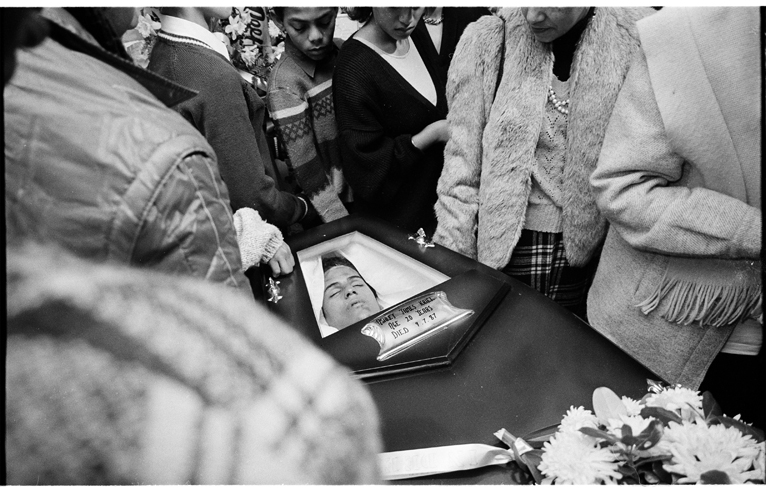

Ashley Kriel’s funeral in 1987 became a battlefield. His body lay in a coffin draped in the banned ANC flag, a final declaration of the cause he had died for. Police stormed the service, determined to strip the flag away, as if the erasure of a symbol could erase the fight it represented. According to his sister Melanie Adams, one policeman came to the funeral carrying a gun and said: “Maak klaar en begrawe die vark gou” (Hurry up and bury the pig quickly).
Athlone Stadium Before It Stood Tall
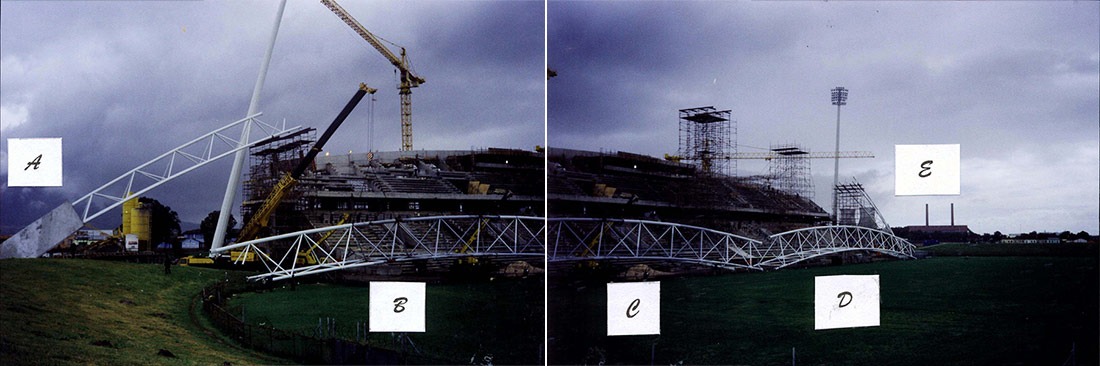
A photograph from 1972 captures Athlone Stadium in the middle of construction. The white arches, which would become one of its most recognisable features, lie scattered in pieces, waiting to be raised. Built during apartheid, the stadium was one of the few places where people classified as “Coloured” could gather for sport and entertainment.
About The Author