
Grant payments keep food in the cupboard and lights on for many South African families. When this is your main or only income, knowing the SASSA payment dates for 2026 beforehand means you can budget and prepare instead of wondering when your money will be deposited.
We obtained the official and verified schedule for the South African Social Security Agency. This post presents a complete, month-by-month listing of all SASSA payment dates up until March 2026.
In This Post
RELATED POST

Understanding SASSA Grant Payments in South Africa
Overview of Social Assistance in South Africa
The South African Social Security Agency runs several social grants that support citizens who face economic hardship.
These programmes help elderly people, individuals living with disabilities, and children through their caregivers.
The grants do not require any prior contributions from recipients. Each year, typically in April, the grant amounts receive adjustments to account for rising living costs. Some years see a second adjustment in October.
The Older Persons Grant
Who Can Apply
This grant supports South African citizens, permanent residents, and refugees who have turned 60.
The application process includes a means test that looks at how much money someone earns and what assets they own. From April 2025, a single person can earn up to R107,880 per year and own assets worth up to R1,524,600. These numbers change over time as the government reviews them.
People receiving this grant cannot get another social grant for themselves at the same time. The Grant in Aid is the only exception to this rule. Anyone living in a care facility that receives state funding cannot apply for this grant either.
Monthly Payment Amounts
The payment structure divides recipients into two age groups. People between 60 and 74 years receive R2,315 each month starting April 2025. When someone reaches 75, their monthly payment goes up to R2,335. The extra R20 recognises that people in this older age bracket often need more support.
The Disability Grant
Eligibility Requirements
South Africans between 18 and 59 years who cannot work because of physical or mental disabilities can apply for this grant.
The disability must stop them from working for at least six months. Some disabilities are temporary, lasting between six and 12 months, while others are permanent.
A medical professional must confirm the disability through an assessment report. This report cannot be older than three months when someone submits their application. The doctor needs to explain how the condition affects the person’s ability to earn an income.
The means test works the same way as it does for the Older Persons Grant. If the applicant is married, both partners’ income and assets count towards the limits. The same rules about other grants and state facilities apply here, too.
Payment Details
From April 2025, people receiving the Disability Grant get R2,315 each month. This matches what younger recipients of the Older Persons Grant receive, keeping support levels consistent across different programmes.
The Child Support Grant
Supporting Primary Caregivers
This grant helps more people than any other SASSA programme. It goes to the person who takes care of a child under 18 years old.
That person might be a parent, grandparent, or another family member. Even someone over 16 who leads a household can apply. Caregivers must be South African citizens, permanent residents, or refugees.
The income limits differ from the other grants because households raising children have different expenses. A single caregiver can earn up to R67,200 per year. Married couples together can earn up to R134,400. These figures come from the April 2025 adjustment.
Children who live in state institutions do not qualify for this grant.
Monthly Payments and Additional Support
Each child brings R560 per month to their caregiver starting in April 2025. Some children get more through what SASSA calls a top-up payment on SASSA payment dates.
This extra R280 per month goes to children who have lost both parents or to children whose verified primary caregiver is not their biological parent. When a child qualifies for the top-up, the total monthly amount becomes R840.
The top-up exists because caregivers who take in children under these circumstances often face extra expenses. Taking responsibility for a child after losing both parents or stepping in when biological parents cannot provide care brings financial demands beyond regular child-raising costs.
Important Notes
The amounts listed here come from government budget announcements made in late 2024 and early 2025. SASSA handles the final implementation and might adjust these figures.
Anyone planning to apply should check the current requirements and amounts through official SASSA channels before starting their application.
The means tests exist to direct grants towards people who need them most. The government reviews income and asset limits regularly as inflation changes what money can buy. People receiving grants should keep track of any changes that might affect whether they still qualify.
SASSA Payment Dates for January to March 2026
Below are the important SASSA payment dates to take note of in 2026.
| Older Persons | Disability Grants | Children’s Grants |
| 06 Jan 2026 | 07 Jan 2026 | 08 Jan 2026 |
| 03 Feb 2026 | 04 Feb 2026 | 05 Feb 2026 |
| 03 Mar 2026 | 04 Mar 2026 | 05 Mar 2026 |

Reasons for Staggered SASSA Payment Dates
Social grants are distributed across different SASSA payment dates each month rather than being paid to everyone simultaneously. This approach covers older persons, disability, and child support grants through a carefully planned timeline.
Preventing Overcrowding and Chaos
Spreading SASSA payment dates across multiple days keeps post offices, banks, ATMs, and retail points manageable.
Without this spacing, millions of people attempting withdrawals simultaneously would generate impossible queues and dangerous overcrowding.
The situation would become particularly severe in densely populated urban centres and remote rural communities where facilities are already stretched.
Protecting Vulnerable Beneficiaries
Older persons and people with disabilities receive their grants before other categories. This priority access protects them from the hectic crowds, exhausting wait times, and heightened criminal activity that typically accompany peak payment periods.
They can access their funds during quieter windows with reduced risk and greater convenience.
Ensuring Efficient Service Delivery
The agency processes different grant types through separate electronic payment files. This separation enables more efficient administrative handling and processing for each grant category, improving overall service delivery across the system.
Where You Can Withdraw/Collect SASSA Payments
Retail Stores
On the official SASSA grant dates, you can withdraw your money at the till points of many major retailers, including:
- Shoprite
- Checkers
- Boxer
- Pick ‘n Pay
- Usave
Note: For SRD grants, you often need to receive an SMS confirmation before you can collect at a retailer.
Banks and ATMs
Your Personal Bank Account
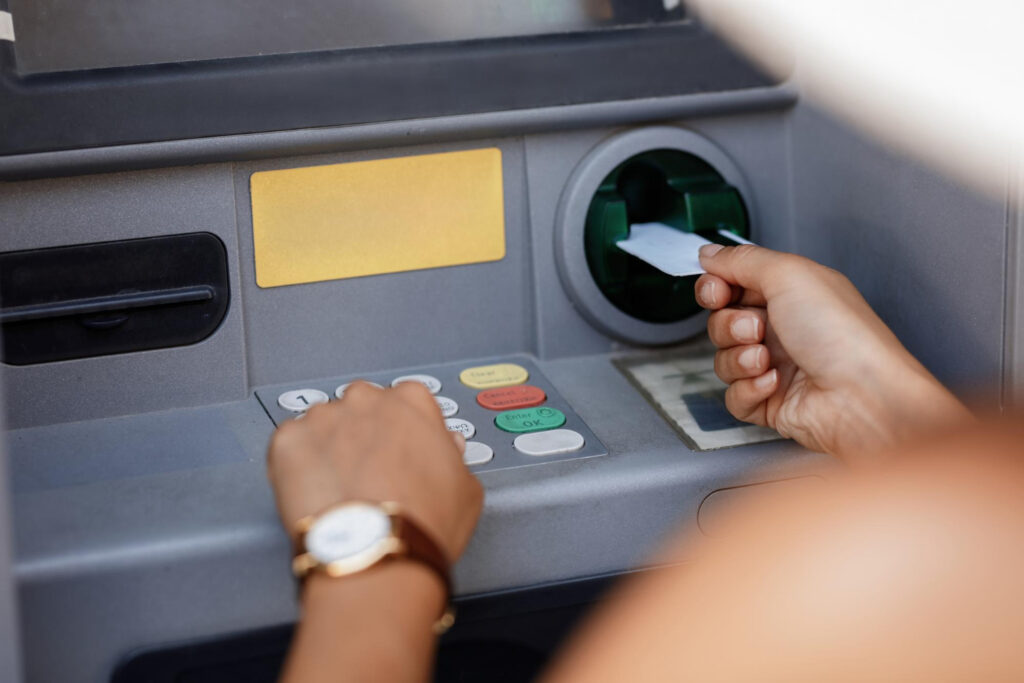
If you choose to have your grant paid directly into your own bank account, you can withdraw the money at any ATM or bank branch.
SASSA/Postbank Card
If you have the SASSA/Postbank Gold Card, you can use it to withdraw cash at any bank’s ATM. Be aware that some banks may charge a fee for using their ATM.
Post Office (SAPO) Branches
Grant collection at Post Office branches is generally still an option, although this service has been changing and availability may vary.
Designated SASSA Pay Points (Largely Phased Out)
The traditional cash pay points have been largely phased out in favour of more secure and convenient options like retail stores and bank accounts.
What To Do When Your SASSA Payments Are Late or Missing
Common Causes of Payment Delays
The most frequent reasons for a payment being delayed or suspended include:
Eligibility and Income Verification Issues
SASSA continuously monitors beneficiary eligibility through cross-referencing with external agencies.
Their systems communicate with SARS for tax records, UIF for unemployment information, and credit bureaus for financial activity. Undeclared earnings trigger immediate alerts. Even small amounts that tip you over the eligibility threshold will pause your payment while investigators review your case.
SASSA sends verification requests requiring supporting documents, and beneficiaries have a limited time to respond. Ignoring these letters or missing deadlines results in automatic suspension.
Life changes matter too. Starting part-time work, receiving an inheritance, or changes in household composition all affect eligibility. The system identifies these shifts during means testing and holds payments pending clarification.
Banking and Personal Details Discrepancies
Banking errors cause substantial payment delays. Transposed numbers in account details, incorrect branch codes, or dormant accounts prevent successful transfers.
SASSA’s database must mirror Home Affairs records exactly. A single letter difference in your name spelling or an outdated ID number creates a verification failure. The payment gets rejected until someone manually resolves the discrepancy.
Contact information matters more than people realise. Outdated phone numbers and addresses mean SASSA cannot reach you about urgent reviews or documentation requests. Without response, they assume you’re no longer engaged with the process and suspend payments accordingly.
Technical and Administrative Problems
Payment platforms handling millions of transactions experience periodic technical failures. Software glitches, database errors, or connectivity breakdowns between SASSA’s systems and banking partners can temporarily halt disbursements across multiple beneficiaries.
Service provider transitions further create predictable disruption when SASSA renegotiates or changes payment contractors. Administrative processing times extend during high-demand periods, too.
Internal audits, bulk application processing, and verification backlogs also mean legitimate payments sit awaiting clearance while staff work through queues.
What to Do if Your Payment is Delayed
Check Your Status
Use the official channels to check your grant status after the official SASSA payment dates. This will often indicate if your payment is ‘Approved’, ‘Pending’, or ‘Declined’, and sometimes provide the reason.
Verify Your Details
Confirm that your bank account details and your contact information registered with SASSA are 100% correct and up-to-date.
Visit a SASSA Office
If the delay is due to a review, verification hold, or missing documents, you must visit your nearest SASSA office with your ID and any requested paperwork (e.g., proof of income, medical reports) to resolve the issue.
FAQs
If the official payment date is, for example, the 3rd, will the money be in my bank account exactly at midnight?
A: Not always. While SASSA releases the funds on the official payment date, the exact time the money reflects in your account depends on your specific bank’s processing times. It may appear later in the day, or sometimes the following business day.
Do I have to withdraw the money on the official SASSA payment dates?
No. Once the funds are in your bank account, at an ATM, or at a retail store, they remain there until you choose to withdraw them. You do not lose the money if you don’t collect it on the first day.
Are the SASSA grant dates the same across all provinces?
Yes, the official payment calendar released by SASSA is nationwide.
How long does it take for the money to reflect in my private bank account?
While SASSA processes the payment on the scheduled date, it can take 2-3 working days for the funds to reflect in your specific bank account, depending on your bank’s processing times.
Can the grant money be paid into an account that is not in my name?
No. SASSA grants must be paid into a bank account that is registered in the beneficiary’s name to prevent fraud.
Will my grant be suspended if I don’t collect the money for a month?
If a grant is not claimed for three consecutive SASSA payment dates at a pay point, it may be suspended. For bank deposits, non-collection is less of an issue, but you must adhere to annual reviews.
If my grant application is approved, when will I receive the first payment?
Payment should start within three months of the application date. Crucially, the payment will be backdated to the date you originally applied.
How long is my SASSA card valid for?
SASSA cards have an expiry date printed on them. Beneficiaries must replace the card before the expiry date to ensure continuous payment access.
About The Author
