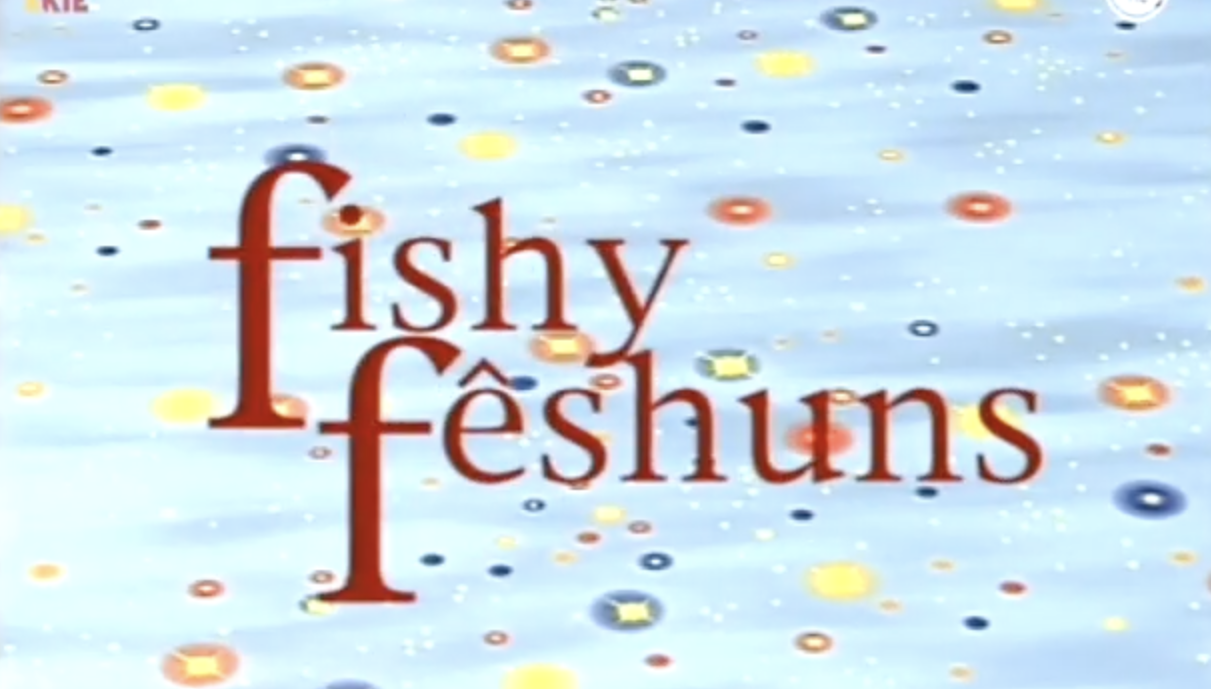
Today, we’re celebrating an iconic show in South African television history. Back in 1999, Fishy Fêshuns swam onto our belly-screen TVs as the first ever Cape Afrikaans sitcom.
It was about the daily happenings at Fisher Fêshuns, a small garment factory owned by Harold Fisher. Between Fisher trying to wrangle his staff to meet deadlines and satisfy customers, and his wife Bernice popping in to check in on the madness, there was never a dull moment.
While the plots revolved around the usual stresses of running a small business, the heart of the show was its characters. There was the sharp-tongued shop floor steward Patsi, played by the talented June Van Merch; the hotblooded Rochelle; the naive Vera; the food-loving Xoli; the perennial whiner Katrien; and the ladies man Dino. Each character brought their own unique flavour to the mix.
The show was a hit with audiences precisely because it felt so real. The situations were inspired by Cape Town’s actual textile industry and scenarios factory workers face daily at the time.
Beyond the comedy, Fishy Fêshuns was groundbreaking in its bold use of Kaaps, the informal language spoken in the Cape Flats communities. We have June van Merch and Ivan D Lucas (late husband of Vinette Ebrahim) to thank for translating the script from the English television series Rag Trade into authentic Cape Flats dialogue.
Fishy Fêshuns didn’t shy away from using actual slang and expressions that had us giggling with familiarity. Like bek verkoep (talking too much), klontjies kry (having a fit), nineteen-voetsek (very old) and hanna-hanna (being slow). The show gave a platform and visibility to the culture like never before on South African TV. Even in the opening credits, we see Katrien sporting a swirlkous.
While the sitcom ended in 2004 after running for four seasons, its impact and importance in South African television history cannot be overstated. Fishy Fêshuns was one of the shows that paved the way for more programming to proudly represent the diversity of cultures and languages in the country. Though the show is no longer on the air, its legacy lives on in the strides South African media has made to reflect the true spirit of its people. Fishy Fêshuns showed what was possible, and we have been moving in that direction ever since.
While the clothes may be out of fashion now, Fishy Fêshuns itself remains a timeless celebration of Cape Colouredness.

Author: Editorial Team
About The Author
